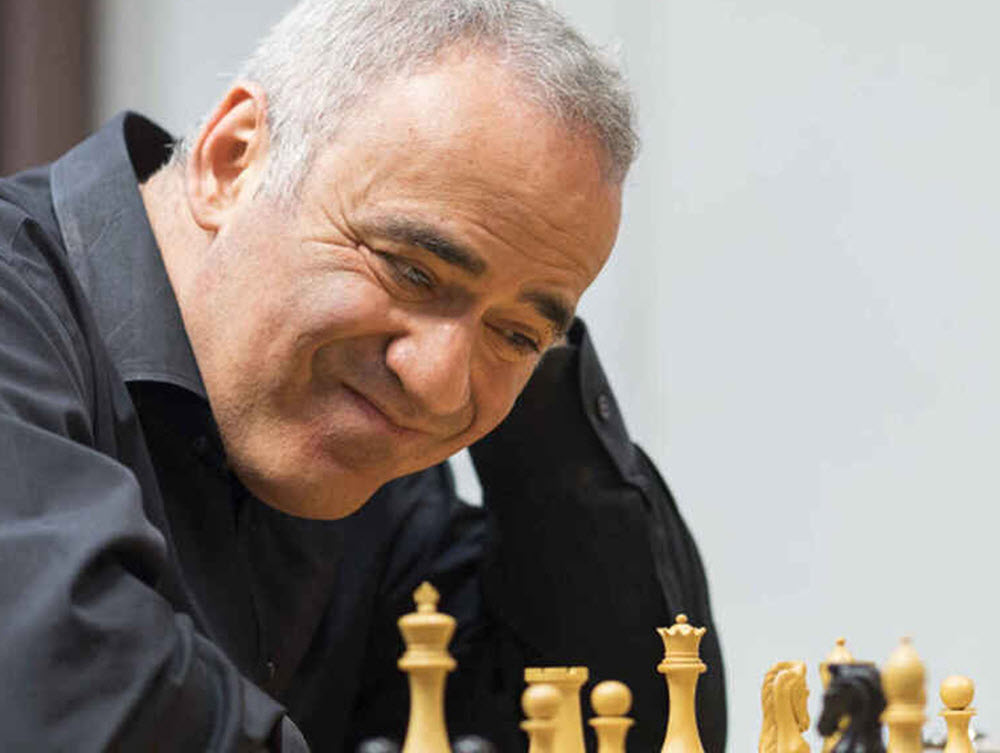
In the vibrant, multi-ethnic city of Baku on the shores of the Caspian Sea, a seven-year-old boy with boundless energy watched his parents play chess and quickly demanded to join. Garik Kimovich Weinstein (later Garry Kimovich Kasparov), born on April 13, 1963, to a Jewish father and an Armenian mother, would become the thirteenth official World Chess Champion and arguably the greatest player of all time. He held the undisputed title from 1985 to 1993 and the classical title until 2000, dominating the chess world for nearly two decades while maintaining the number-one ranking for an unprecedented 20+ years. Kasparov was a force of nature on the board—dynamic, aggressive, and ferociously prepared. His style blended deep strategic insight with explosive tactical calculation, revolutionary opening preparation, and an unyielding will to win. He turned chess into a high-stakes intellectual battle, pushing the game into the computer age through his legendary matches against IBM’s Deep Blue. Beyond the 64 squares, Kasparov became a prominent writer, political activist, and critic of authoritarianism in Russia. From child prodigy who escaped ethnic violence to the youngest world champion in history (a record he held until 2024), Kasparov embodied raw talent, relentless ambition, and fearless conviction.
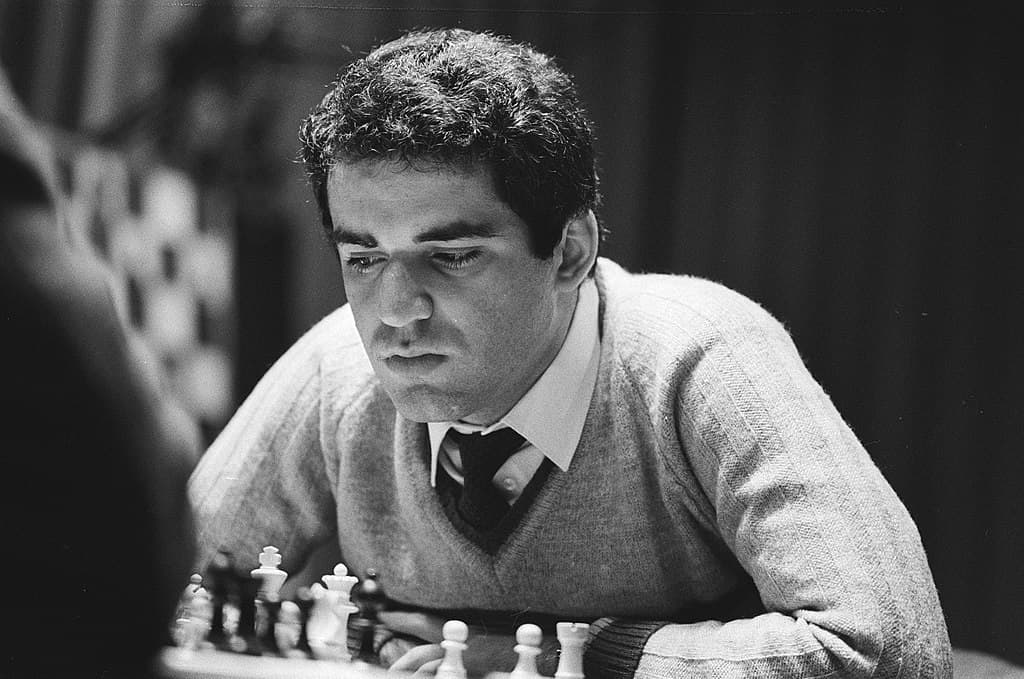
Kasparov’s early talent was extraordinary. He changed his surname to his mother’s (Kasparova) after his father’s death when he was young. By age 10, he was training at Mikhail Botvinnik’s famous chess school. At 12, he won the Soviet Under-18 Championship. At 17, he became World Junior Champion and earned the grandmaster title. In 1980, at 17, he shared first at the Baku International. He burst onto the world stage by winning the 1982 Moscow Interzonal and then storming through the Candidates cycle, defeating Alexander Beliavsky, Viktor Korchnoi, and Vasily Smyslov.
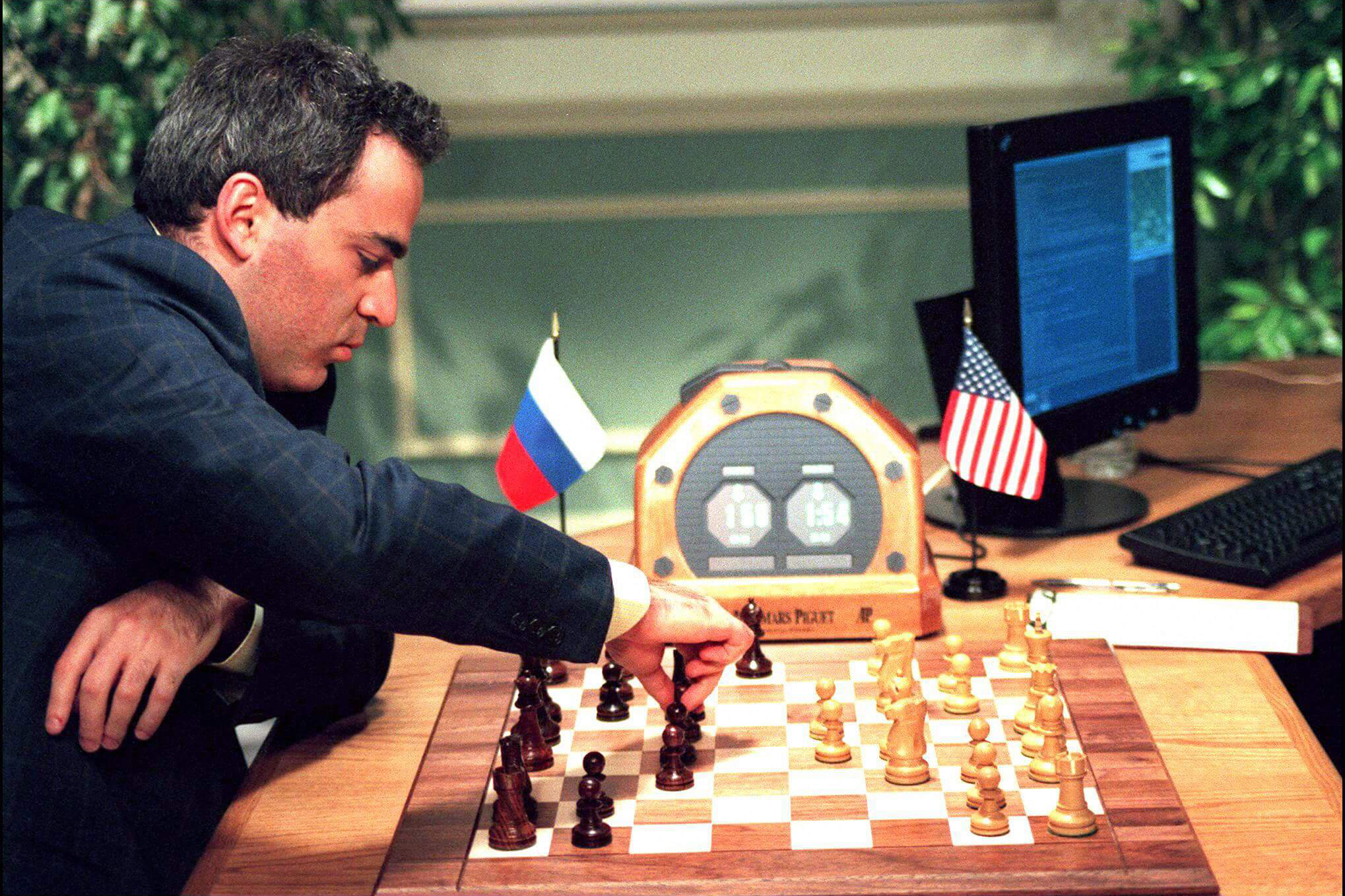
The epic rivalry with reigning champion Anatoly Karpov defined the 1980s. Their first match in 1984–85 in Moscow became the longest in history: after 48 games (Karpov led 5–3 with 40 draws), FIDE aborted it due to player exhaustion. Kasparov protested vigorously. In the 1985 rematch, the 22-year-old challenger played with explosive energy and superior preparation. He won the decisive 24th game to take the match 13–11 (+5 -3 =16). On November 9, 1985, Garry Kasparov became the youngest undisputed World Champion in history at age 22—a record unbroken until Gukesh in 2024. The chess world was electrified; a new era of dynamic, computer-assisted preparation had begun.
Kasparov defended his title five times in total. He faced Karpov again in 1986 (London/Leningrad, won 12½–11½), 1987 (Seville, narrow 12–12 draw retaining the title), and 1990 (New York/Lyon, won 12½–11½). These matches produced some of the most brilliant games ever played, with Kasparov’s aggressive innovations clashing against Karpov’s positional squeeze. In 1993, when Kasparov and Nigel Short broke from FIDE to form the Professional Chess Association (PCA), Kasparov retained the classical world title. He defended it successfully against Short in 1993, Viswanathan Anand in 1995 (PCA), and Vladimir Kramnik in 2000 (Braingames), though he lost the 2000 match to Kramnik 8½–6½, ending his 15-year reign as classical champion.
Kasparov’s tournament dominance was unmatched. He won Linares a record nine times and countless other elite events. His peak rating reached 2851 in 1999—the highest ever at the time. He held the world number-one spot almost continuously from 1984 until his retirement. One of the most famous episodes came in 1996–97 against IBM’s Deep Blue. In 1996, Kasparov won the match 4–2. In the 1997 rematch, the upgraded computer defeated him 3½–2½, making Kasparov the first world champion to lose a match to a computer under standard time controls. The event brought chess and artificial intelligence into global headlines and sparked debates about human creativity versus machine power that continue today.
In 1990, amid rising ethnic violence in Baku as the Soviet Union collapsed, Kasparov and his family narrowly escaped to Moscow. This experience, combined with his observations of Soviet and later Russian politics, fueled his transition from chess to activism. After dominating Linares 2005, he announced his retirement from professional chess on March 10, 2005, at age 41, while still the world’s highest-rated player. He had played competitively from 1976 to 2005, leaving an unmatched legacy.
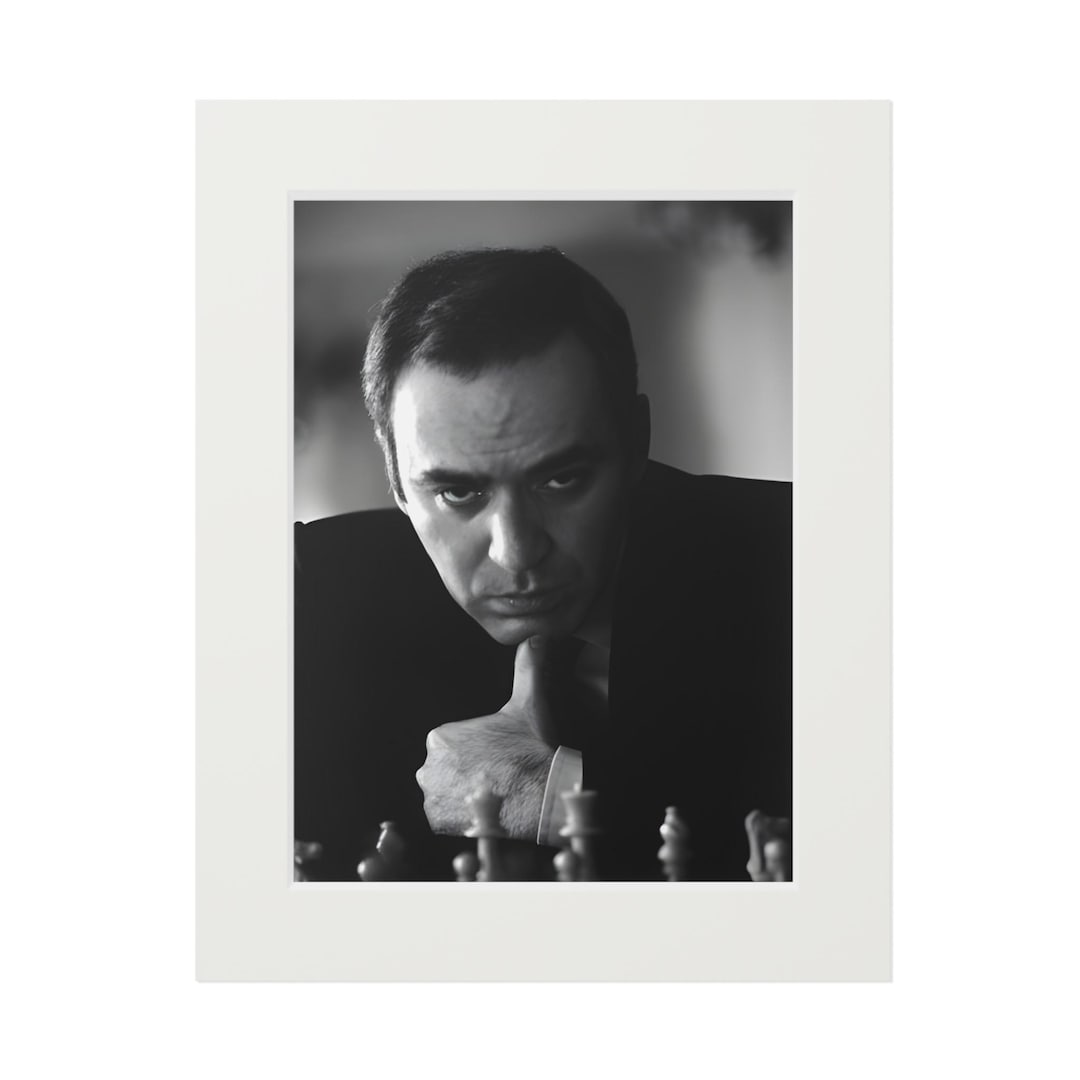
Post-retirement, Kasparov channeled his energy into writing, coaching, and politics. His five-volume series My Great Predecessors (2003–2006) is considered a modern classic, analyzing the styles and games of all previous world champions with profound insight. He coached top players including Magnus Carlsen and Viswanathan Anand. In 2005, he entered Russian pro-democracy politics, founding opposition groups, criticizing Vladimir Putin’s regime, and even running (unsuccessfully) for president in 2007. He faced arrests, restrictions, and threats but remained a vocal advocate for democracy and human rights. In later years, he became a global speaker on leadership, technology, AI, and strategy, authoring books like Deep Thinking (2017) that reflect on his Deep Blue experience and the future of human-machine collaboration. He founded the Kasparov Foundation to promote chess education worldwide.
As of 2026, at age 63, Kasparov remains active as a writer, speaker, and chess commentator. His FIDE rating is still listed at an impressive 2812 (inactive), and he occasionally participates in exhibitions or rapid events. He lives between Russia, the United States, and other locations, continuing to influence both chess and global discourse.
Kasparov’s legacy towers over modern chess. He revolutionized opening theory with massive preparation teams and early computer use. He raised professional standards, prize funds, and global interest in the game. His 1985–2000 dominance, combined with the intensity of the Karpov rivalry and the Deep Blue matches, made chess a mainstream cultural phenomenon. Garry Kasparov is widely regarded as one of the greatest—if not the greatest—chess players ever. From the energetic boy in Baku who became champion at 22 to the fearless activist who challenged power, he played every move of his life with the same intensity: to win, to innovate, and to leave the world better than he found it.
The “Beast from Baku” didn’t just conquer the chessboard—he expanded its horizons and inspired generations to think deeper, fight harder, and never accept limits.