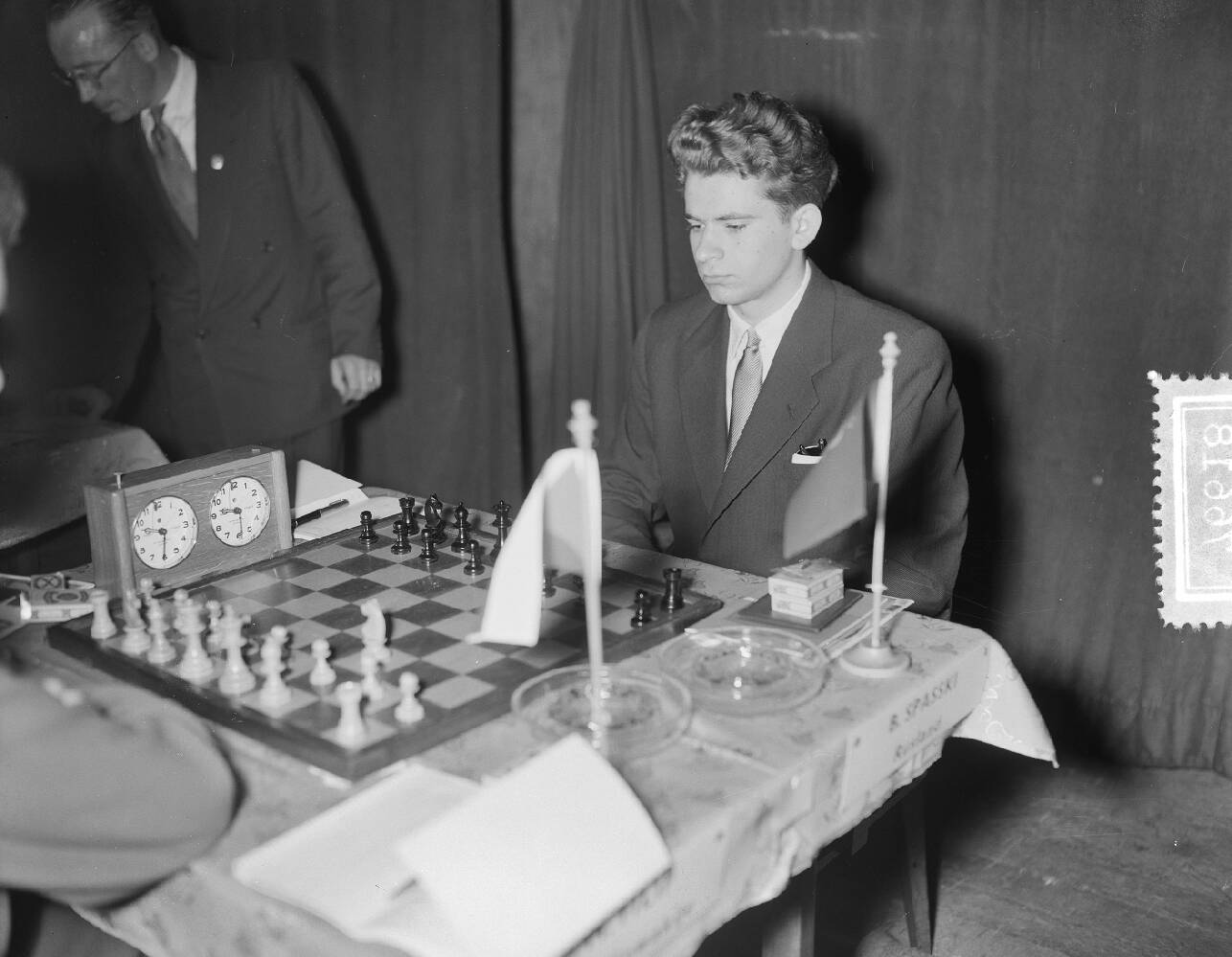
In the besieged city of Leningrad during the brutal winter of 1941–42, a five-year-old boy was evacuated from the starving metropolis to a children’s home in the Kirov province. There, amid the hardships of war, Boris Vasilyevich Spassky, born on January 30, 1937, in Leningrad (now St. Petersburg), first learned to play chess. The game became his escape and his destiny. The tenth official World Chess Champion, Spassky held the title from 1969 to 1972. Universally admired for his adaptable, harmonious style that combined attacking flair, solid defense, and deep strategic understanding, he could play any type of position with equal skill. Often called the most complete player of his era, Spassky was neither purely romantic like Tal nor ironclad like Petrosian—he was a universal fighter who thrived in complex battles. His reign featured one of the most dramatic and culturally significant matches in chess history: the 1972 “Match of the Century” against Bobby Fischer in Reykjavik, a Cold War proxy that captivated the world. Beyond the board, Spassky was known for his gentlemanly conduct, humor, and resilience through personal and political storms. He lived a long life, passing away in 2025 at age 88, remembered as one of chess’s most respected and versatile champions.
Spassky’s rise was remarkably fast. After the war, he returned to Leningrad and joined the city’s chess club under the guidance of coaches like Vladimir Zak. By age ten, he was already showing prodigious talent. In 1953, at sixteen, he earned the International Master title. In 1955, he won the World Junior Championship in Antwerp and became a Grandmaster at eighteen—one of the youngest ever at the time. That same year he tied for third in the USSR Championship alongside Mikhail Botvinnik. He studied journalism at Leningrad University but devoted most of his energy to chess.
The late 1950s and early 1960s saw Spassky establish himself among the world elite. He qualified for the 1956 Candidates tournament in Amsterdam at age nineteen. Though he didn’t win, his potential was clear. He won the Soviet Championship in 1956 (shared) and again outright in 1961 and 1963. In the 1965 Candidates cycle, he defeated Paul Keres, Efim Geller, and Mikhail Tal in successive matches to earn the right to challenge Tigran Petrosian. The 1966 World Championship match in Moscow was a tough battle; Petrosian’s prophylactic style prevailed, and Spassky lost 11½–12½. Undeterred, Spassky qualified again for the 1968–69 cycle. He defeated Geller, Bent Larsen, and Viktor Korchnoi, then faced Petrosian once more in Moscow in 1969.
The 1969 rematch was closely contested and dramatic. Spassky played with greater dynamism and adaptability, gradually wearing down the defending champion’s defenses. After 23 games, the score stood at 12½–10½ in Spassky’s favor. On June 17, 1969, Boris Spassky became the tenth World Chess Champion at age 32. His victory was celebrated across the Soviet Union as a triumph of universal chess over pure defense. As champion, he continued competing actively, winning strong tournaments and maintaining his reputation as a gracious sportsman.
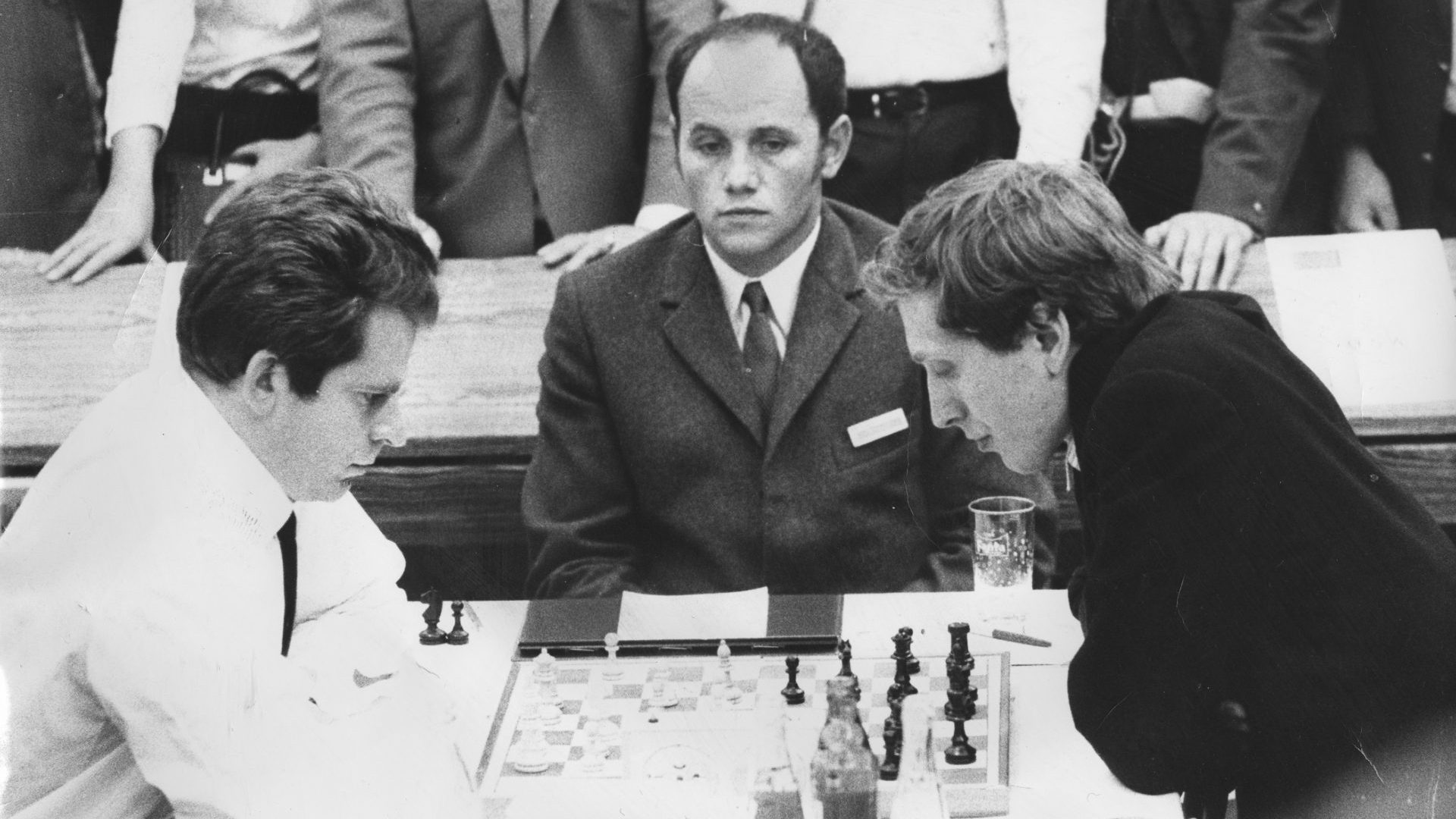
His reign as champion is forever linked to the 1972 World Championship match against the brilliant but eccentric American challenger Bobby Fischer. Held in Reykjavik, Iceland, amid Cold War tensions, the match became a global sensation—“the Match of the Century.” Fischer’s demands, forfeits (including Game 2), and psychological warfare created constant drama. Spassky, the calm defender of the Soviet system, handled the chaos with dignity. He won Game 1, but Fischer stormed back, winning several games with innovative ideas and relentless pressure. The final score was 12½–8½ for Fischer (Fischer won seven games, Spassky three, with eleven draws; one point came from the forfeit). On September 1, 1972, Spassky lost the title. Despite the defeat, he was widely praised for his sportsmanship. The two players developed a respectful, if complicated, relationship over the years.
After losing the crown, Spassky remained a top player for many years. He reached the Candidates final in 1974 (losing to Anatoly Karpov) and continued competing in elite events. In 1976, seeking greater personal freedom, he emigrated to France with his third wife and became a French citizen in 1978. He represented France in three Chess Olympiads (1984, 1986, 1988) and played in numerous tournaments, though he was no longer a serious title contender. In 1992, he faced Fischer again in a controversial rematch in war-torn Yugoslavia (violating UN sanctions at the time). Fischer won again, but both players received a share of the large prize fund. Spassky later returned to Russia in 2012, where he spent his final years.
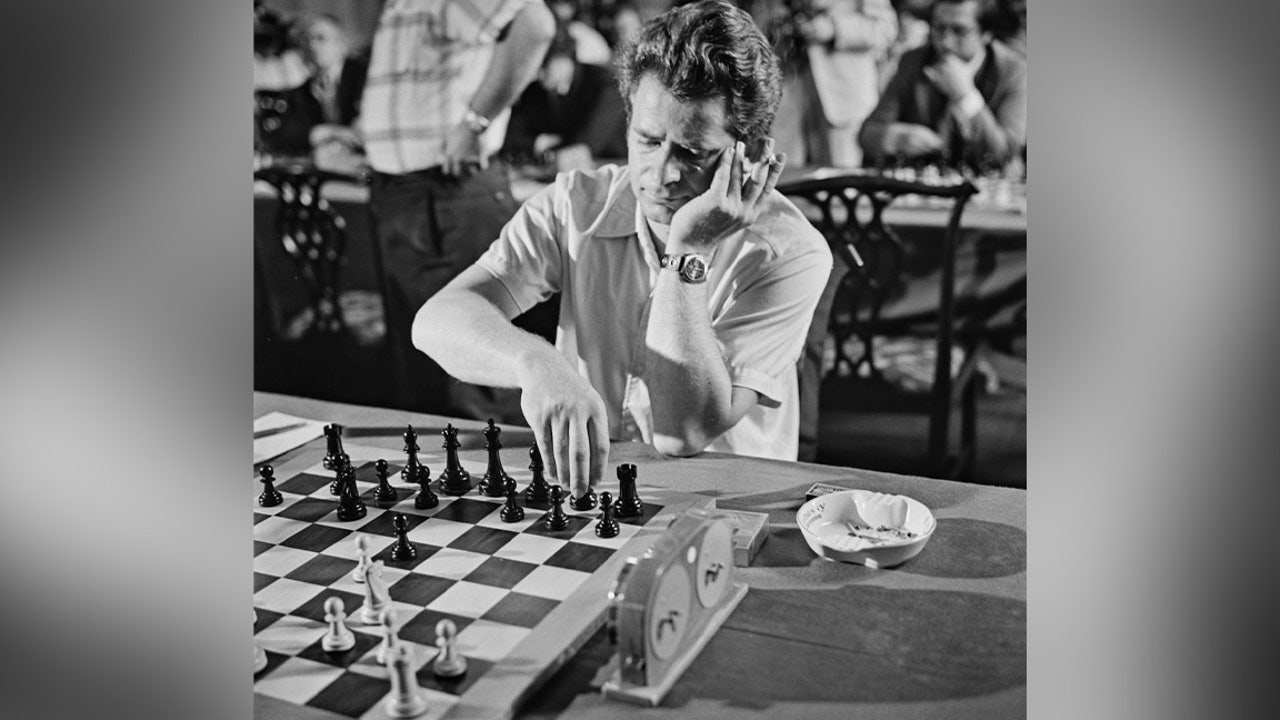
Spassky’s style was his greatest strength: he adapted seamlessly to any opponent or position. He could launch devastating kingside attacks, defend tenaciously, or grind out endgame advantages. His games often featured elegant combinations and profound strategic ideas. He authored chess books and articles, sharing insights with generosity. Off the board, Spassky was known for his wit, kindness, and love of literature and classical music. He married three times and had children.
In his later decades, Spassky’s health declined, but he remained active in the chess community through interviews and occasional events. On February 27, 2025, Boris Spassky died in Moscow at the age of 88. Tributes poured in from around the world, with many hailing him as a true gentleman of chess and one of the finest players of the 20th century. He was the oldest living former world champion at the time of his passing.
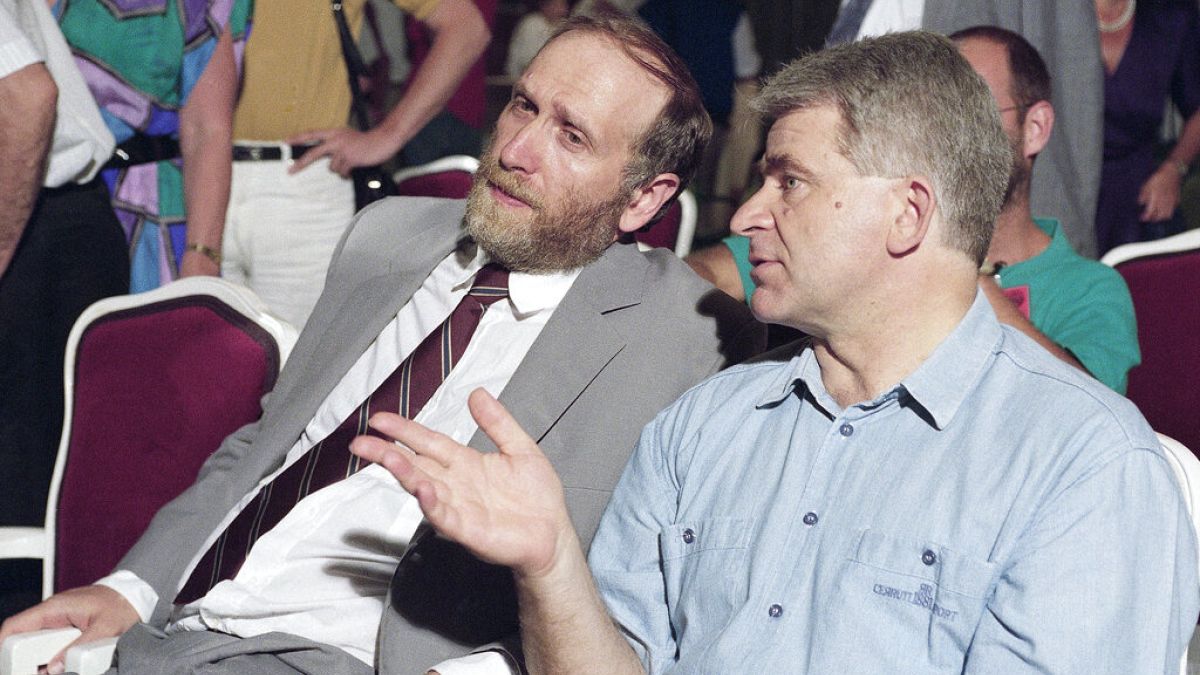
Spassky’s legacy is that of versatility and grace under pressure. He played in an era of giants—Botvinnik, Tal, Petrosian, Fischer, Karpov—and held his own with style and dignity. His 1969 victory and the 1972 match helped popularize chess globally and symbolized the human drama behind the 64 squares. Modern players still study his games for their balance and creativity. From the evacuated boy in wartime Russia to the world champion who faced the most famous challenger in history, Boris Spassky embodied the universal spirit of chess: adaptable, resilient, and eternally elegant.