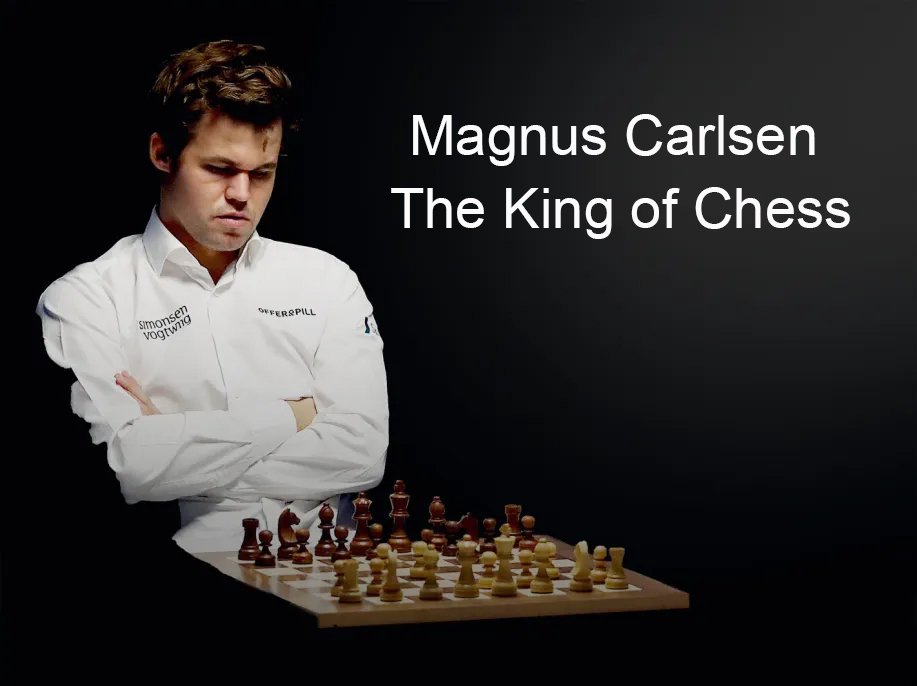
In the snowy hills of Lommedalen, a quiet suburb outside Oslo, a five-year-old boy sat at the kitchen table one evening in 1995 and announced he had solved a chess puzzle his father had shown him. Sven Magnus Øen Carlsen, born on November 30, 1990, in Tønsberg, Norway, would grow into the sixteenth official World Chess Champion and the most dominant player of the 21st century. He held the undisputed classical title from 2013 to 2023, defending it four times in an era of super-engine preparation and global competition. Carlsen did not rely on brute-force calculation or flashy sacrifices. His genius was pure intuition: an almost Mozart-like ability to feel the harmony of a position, convert microscopic advantages into wins, and dominate endgames with supernatural precision. He became the highest-rated player in history (peak 2882 in 2014) and held the world number-one ranking continuously for over a decade. Nicknamed “the Mozart of Chess” for his effortless brilliance, Carlsen turned the game into a global brand—modeling for fashion campaigns, launching apps and companies, and making chess cool for a new generation. In 2022 he shocked the world by refusing to defend his classical title in 2023, citing lack of motivation, yet he remains the planet’s strongest active player in 2026. From Norwegian prodigy to cultural icon, Carlsen’s story is one of effortless supremacy, relentless curiosity, and the rare courage to step away at the peak.
Carlsen’s early years were remarkably normal for a future legend. His father, a Norwegian Petroleum Directorate engineer, taught him chess at age five; by eight he was devouring books and playing in local clubs. At nine he scored his first international success in the 2000 European Under-10 Championship. In 2004, at thirteen, he became a grandmaster—the youngest in history at the time (a record later broken). That same year he drew Garry Kasparov in a rapid game, a symbolic passing of the torch. Norway’s chess federation recognized his talent early, and by 2005 he was training with grandmaster Simen Agdestein and studying with the Danish grandmaster Peter Heine Nielsen, who would become his long-time second.
His breakthrough came in 2009–2010. He won the Pearl Spring Tournament in Nanjing with a staggering 8/10 performance, earning a 3000+ performance rating. In 2010 he won the London Chess Classic and climbed to world number one for the first time. By 2011 he had solidified that ranking. His style evolved from a solid, endgame-focused teenager into a universal monster—equally lethal in sharp openings or quiet positional squeezes. He won the 2013 Candidates Tournament in London convincingly, earning the right to challenge Viswanathan Anand.
The 2013 World Championship match in Chennai, India, was a coronation. Anand, the defending champion and national hero, faced the 22-year-old Norwegian challenger. Carlsen played with calm maturity, winning three games without a loss and drawing the rest to take the title 6½–3½. On November 22, 2013, Magnus Carlsen became the sixteenth World Chess Champion—the second-youngest in history after Kasparov. The victory triggered a chess boom in Norway and cemented his status as the face of modern chess.
Defending the crown became routine yet dramatic. In 2014 in Sochi he faced Anand again and won 6½–4½, proving the first match was no fluke. In 2016 in New York against Sergey Karjakin, the match was tied 6–6 after classical games; Carlsen won the rapid tiebreak 3–1 in a nail-biting finish. In 2018 in London against Fabiano Caruana, another 6–6 classical tie led to another rapid playoff victory (3–0). In 2021 in Dubai against Ian Nepomniachtchi, Carlsen finally won a classical match decisively 7½–3½ after Nepo cracked under pressure in the later games. These defenses showcased his psychological edge: he rarely lost, adapted instantly to opponents’ preparations, and thrived in tiebreaks where his rapid and blitz supremacy (multiple world titles in both) proved decisive.
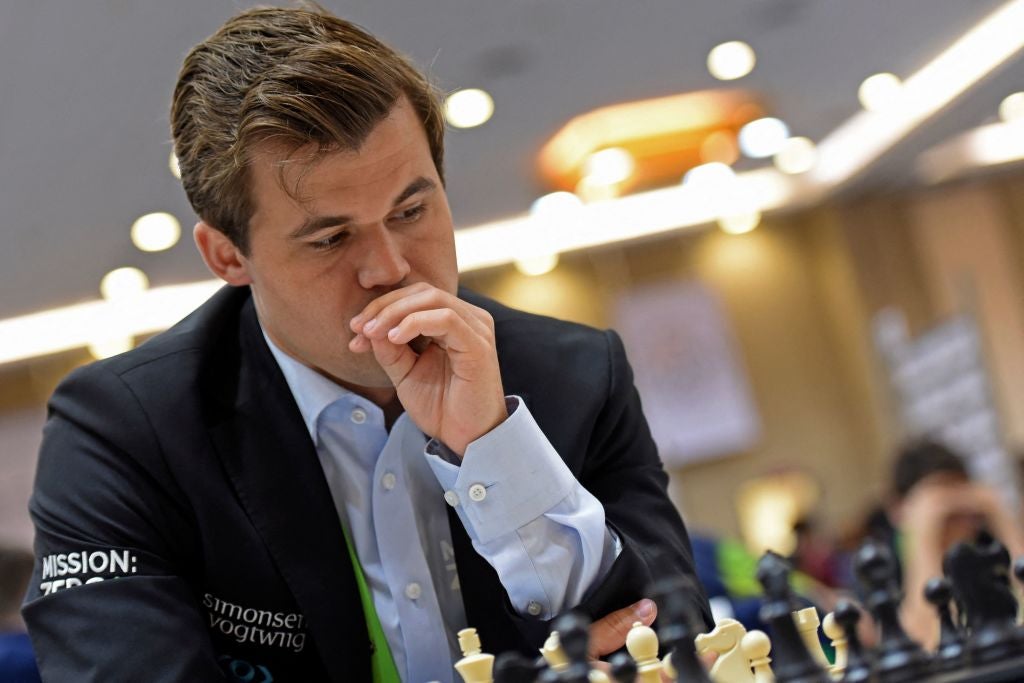
Carlsen’s tournament dominance was historic. He won the Tata Steel Chess Tournament (Wijk aan Zee) a record eight times, captured the Norway Chess supertournament repeatedly, and triumphed at Linares, Bilbao, London, and Sinquefield Cup events. He held the highest classical rating for over a decade, breaking Kasparov’s records. His endgame mastery—often converting positions engines evaluated as dead draws—became legendary; players joked that “Carlsen wins drawn games.” He also dominated rapid and blitz, winning multiple world titles and maintaining top rankings in all formats simultaneously.
In July 2022, at the height of his powers, Carlsen announced he would not defend his classical world title in 2023. The decision stunned the chess world. He cited a lack of motivation for the long match format and a desire to focus on other pursuits. Ding Liren won the 2023 match against Ian Nepomniachtchi to become champion, but Carlsen remained the highest-rated classical player and continued to dominate elite tournaments. In 2024 and into 2026 he has played selectively, winning major events and maintaining his number-one ranking. He has expressed interest in future challenges but on his own terms.
Beyond the board, Carlsen built a global empire. He modeled for fashion brands like G-Star RAW and starred in commercials. In 2019 he launched Play Magnus Group (later merged into Chess.com), including the popular Chessable platform and apps that gamified learning for millions. He founded the Magnus Carlsen Invitational and other online events that kept chess alive during the pandemic. His Netflix series The Queen’s Gambit cameo and social-media presence made him a celebrity beyond chess circles. He is known for his dry humor, love of football (he supports Real Madrid), and outspoken views on chess ethics—he has been a vocal critic of cheating scandals and pushed for better anti-cheating measures.
As of April 2026, at age 35, Carlsen remains the world’s highest-rated active player (classical rating above 2830). He competes regularly in supertournaments, rapid/blitz events, and exhibition matches while continuing his business and media work. He lives in Oslo with his partner and maintains close ties with the Norwegian chess community.
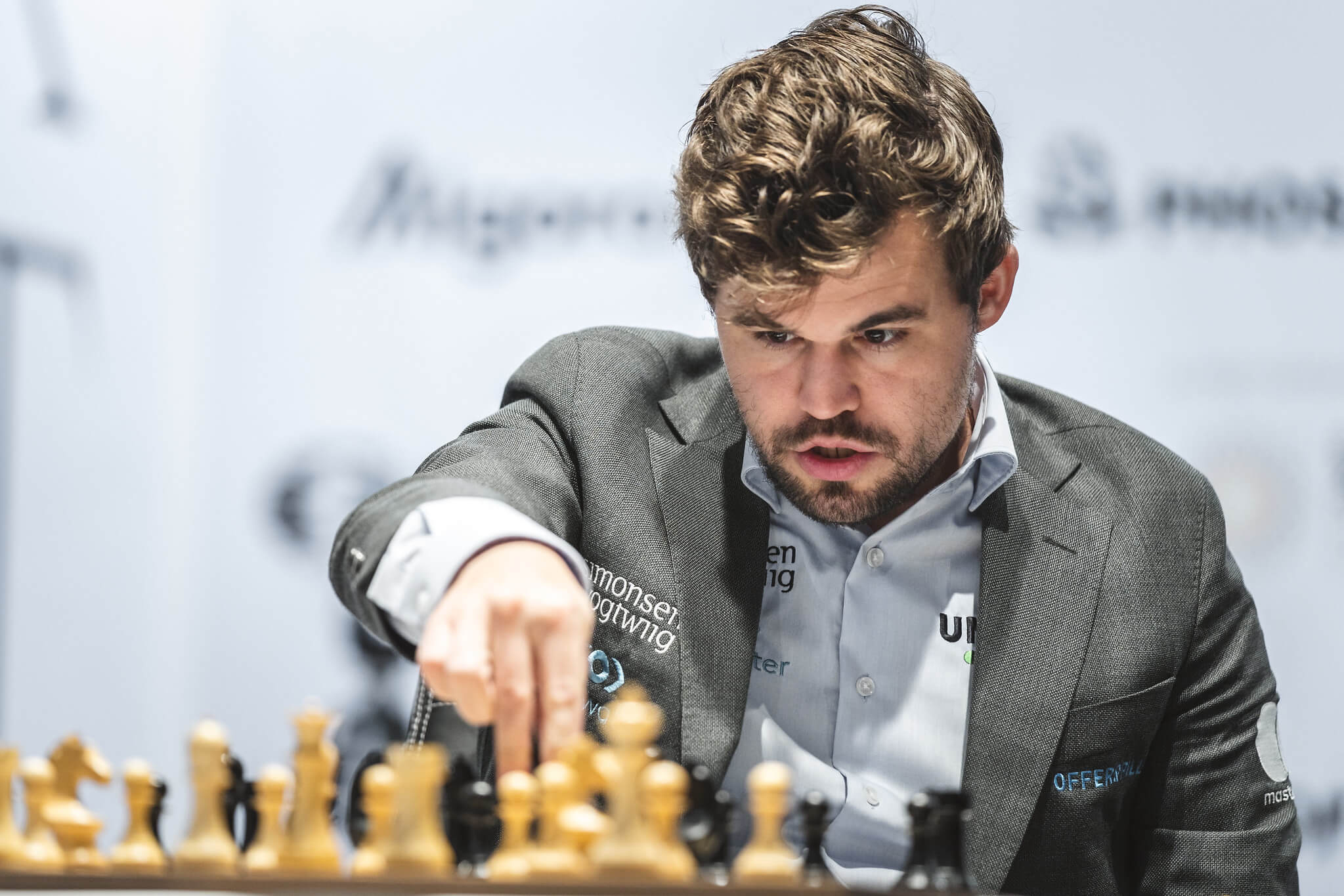
Magnus Carlsen’s legacy is already monumental. He elevated chess’s global popularity, professionalized it further, and proved that raw intuition combined with modern preparation could dominate even the engine age. He won the classical title five times (more than any champion since Botvinnik in the modern era) and walked away voluntarily—the first champion to do so since Fischer. His games teach the value of harmony, patience, and deep understanding over mere calculation. From the Norwegian boy who solved puzzles at five to the champion who redefined what dominance looks like, Carlsen showed that chess can be both art and sport at the highest level. In an era of artificial intelligence, he reminded the world that human creativity still reigns supreme.
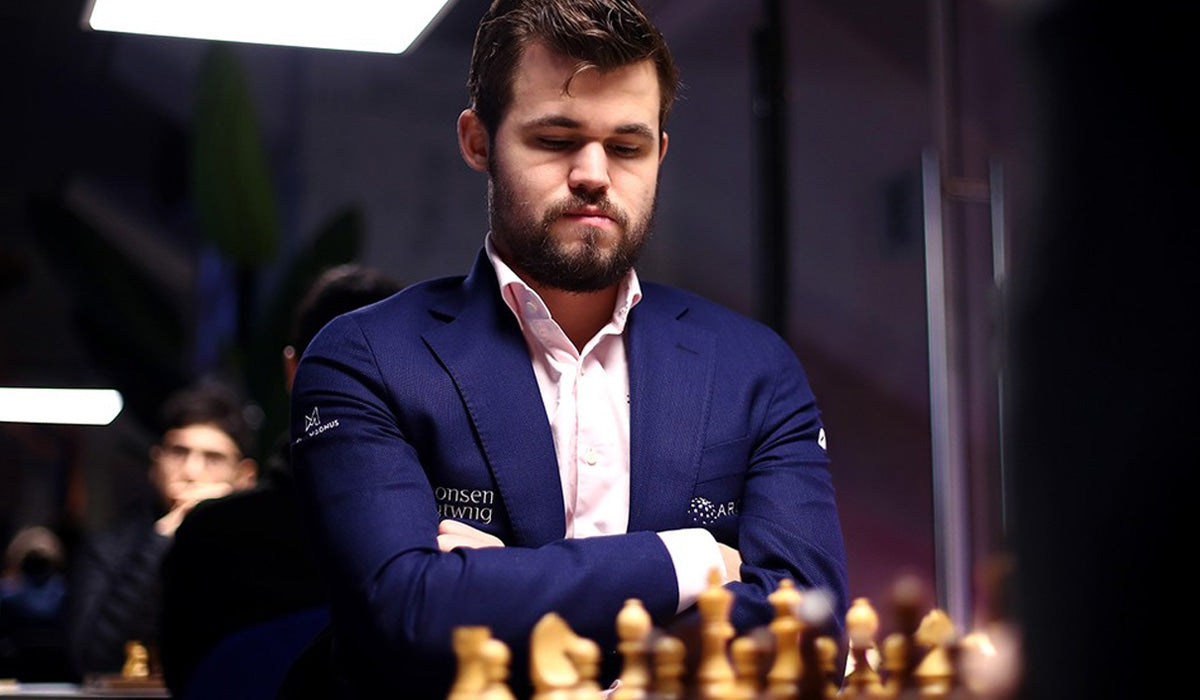
The Mozart of Chess did not just play the game—he composed symphonies on the 64 squares, then stepped off the stage at the peak of his powers, leaving the board richer for it.