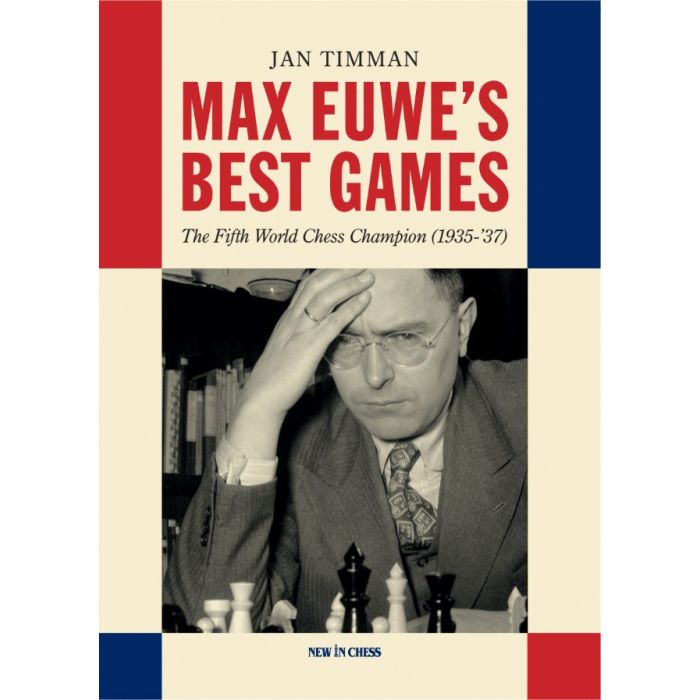
In the orderly classrooms and quiet university halls of early 20th-century Amsterdam, where logic and rigorous thought reigned supreme, a young mathematics student balanced equations by day and chess pieces by night. Machgielis "Max" Euwe, born on May 20, 1901, in Watergraafsmeer near Amsterdam, Netherlands, would become the fifth official World Chess Champion—the only Dutch player ever to claim the title. Holding it from 1935 to 1937, Euwe achieved one of the greatest upsets in chess history by defeating the formidable Alexander Alekhine. Unlike the fiery attackers or intuitive geniuses before him, Euwe approached the game with the steady logic of a mathematician: deep opening knowledge, clear strategic planning, and unflappable composure under pressure. He never turned professional, maintaining a full career as a teacher and professor while raising a family. Yet he won a record 12 Dutch Championships, over 100 tournaments in his career, and later shaped the global chess world as FIDE President. His two-year reign was short, but his life exemplified discipline, intellect, and service to the game. Euwe proved that an "amateur" armed with preparation and reason could topple even the most dynamic champions.
Euwe’s introduction to chess came early through his parents—his father, a teacher, and his mother, who loved the game. He won a minor tournament at age ten but focused primarily on studies during his youth. He enrolled at the University of Amsterdam, studying mathematics under the influential intuitionistic logician L.E.J. Brouwer (who later became a friend) and earning his doctorate in 1926 under Roland Weitzenböck. His thesis and later work included a mathematical analysis of chess rules, using the Thue–Morse sequence to show that the official rules at the time did not prevent the theoretical possibility of infinite games. This blend of intellect and chess would define his career.
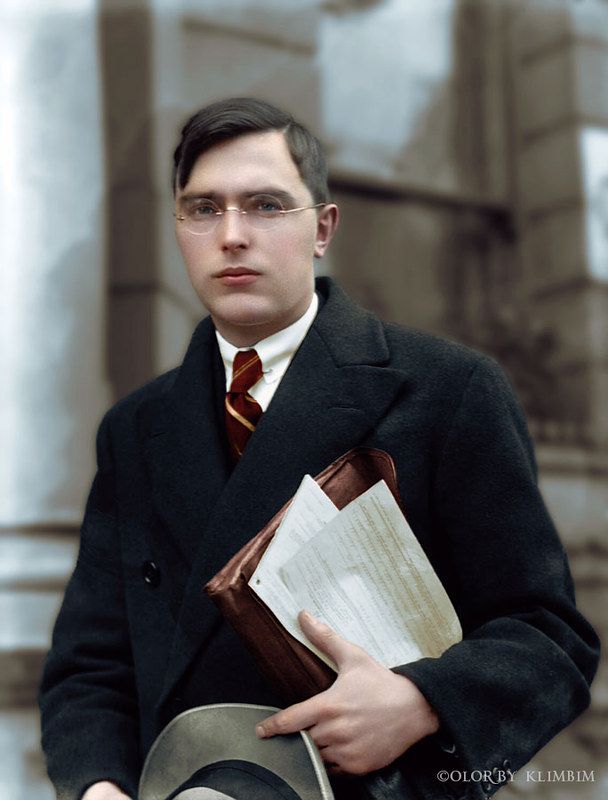
While pursuing academics, Euwe played chess during school vacations. He won his first Dutch Championship in 1921 and would claim the title a record 12 times (with one more in 1955), a mark that still stands. In the 1920s, his international results were solid but not yet dominant: he placed well in events like Hastings 1923/24 (first) but often finished behind established stars. He represented the Netherlands on first board at multiple Chess Olympiads starting in 1927, helping the team earn medals. In 1928, he won the World Amateur Championship. By the early 1930s, with his teaching position secure (first in Rotterdam, later at a girls’ lyceum in Amsterdam), Euwe increased his tournament activity and consistently achieved top-flight results. He married in 1926 and started a family, further limiting his time for chess, yet his disciplined preparation compensated for the constraints.
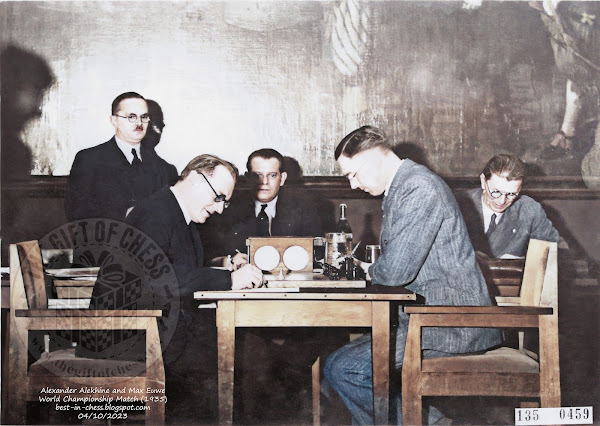
The path to the world title began with consistent performances against the elite. Euwe faced Alekhine in several encounters and gradually built confidence. In 1935, after negotiations, a world championship match was arranged in the Netherlands—played across 13 cities over 80 days from October 3 to December 16. Alekhine, the reigning champion known for his aggressive, imaginative style, entered as the heavy favorite. Many observers attributed any Euwe chance to the champion’s reported heavy drinking. The match started poorly for the challenger: Alekhine took an early lead, and by game nine, Euwe trailed by three points.
What followed was a remarkable comeback rooted in Euwe’s logical preparation and resilience. He studied openings thoroughly and maintained composure in complex positions. From game 13 onward, Euwe won twice as many games as Alekhine. Key moments included sharp tactical battles and precise endgames. One standout was Game 26, often called “The Pearl of Zandvoort,” where Euwe refuted a pawn sacrifice with clean, strategic play. By the end of the 30-game marathon, Euwe had overcome the deficit to win 15½–14½ (9 wins, 8 losses, 13 draws). On December 15, 1935, Max Euwe became the fifth World Chess Champion—the first from the Netherlands and a true amateur champion. The Dutch nation celebrated wildly; their schoolteacher had conquered the chess world through intellect and determination.
As champion, Euwe continued teaching while defending his title in tournaments. He proposed transferring future world championship organization to FIDE for greater stability, a forward-thinking idea. Alekhine, however, exercised his right to a rematch. The 1937 return match, again in the Netherlands (October 5 to December 4), proved far more lopsided. Euwe started competitively but faltered in the middle, losing momentum. Alekhine, motivated and better prepared this time, regained the title decisively: 15½–9½ (+10 -4 =11). Euwe later reflected philosophically on both matches, acknowledging tactical edges while highlighting his own strategic strengths. Despite the loss, he remained a top contender.
Euwe’s overall career was remarkably consistent for someone balancing a full professional and family life. He won or shared first in numerous strong tournaments, including events in the 1930s and beyond. He participated in elite gatherings like AVRO 1938 and continued Olympiad appearances into the 1950s and 1960s. Even after retiring from top-level individual competition around 1956, he played first board for the Netherlands and stayed competitive. His style emphasized opening theory—he authored or contributed to many books on openings—and clear, logical play rather than flashy sacrifices. He wrote over 70 chess books and articles, more than any other world champion, sharing knowledge generously.
Post-chessboard, Euwe’s contributions expanded. After World War II, he became interested in computer programming and was appointed professor of the subject at the universities of Rotterdam and Tilburg, retiring from Tilburg in 1971. In 1959, he directed the Netherlands Automatic Data Processing Research Centre. From 1961 to 1963, he chaired a Euratom committee exploring the feasibility of programming chess for computers—bridging his mathematical expertise with the game he loved.
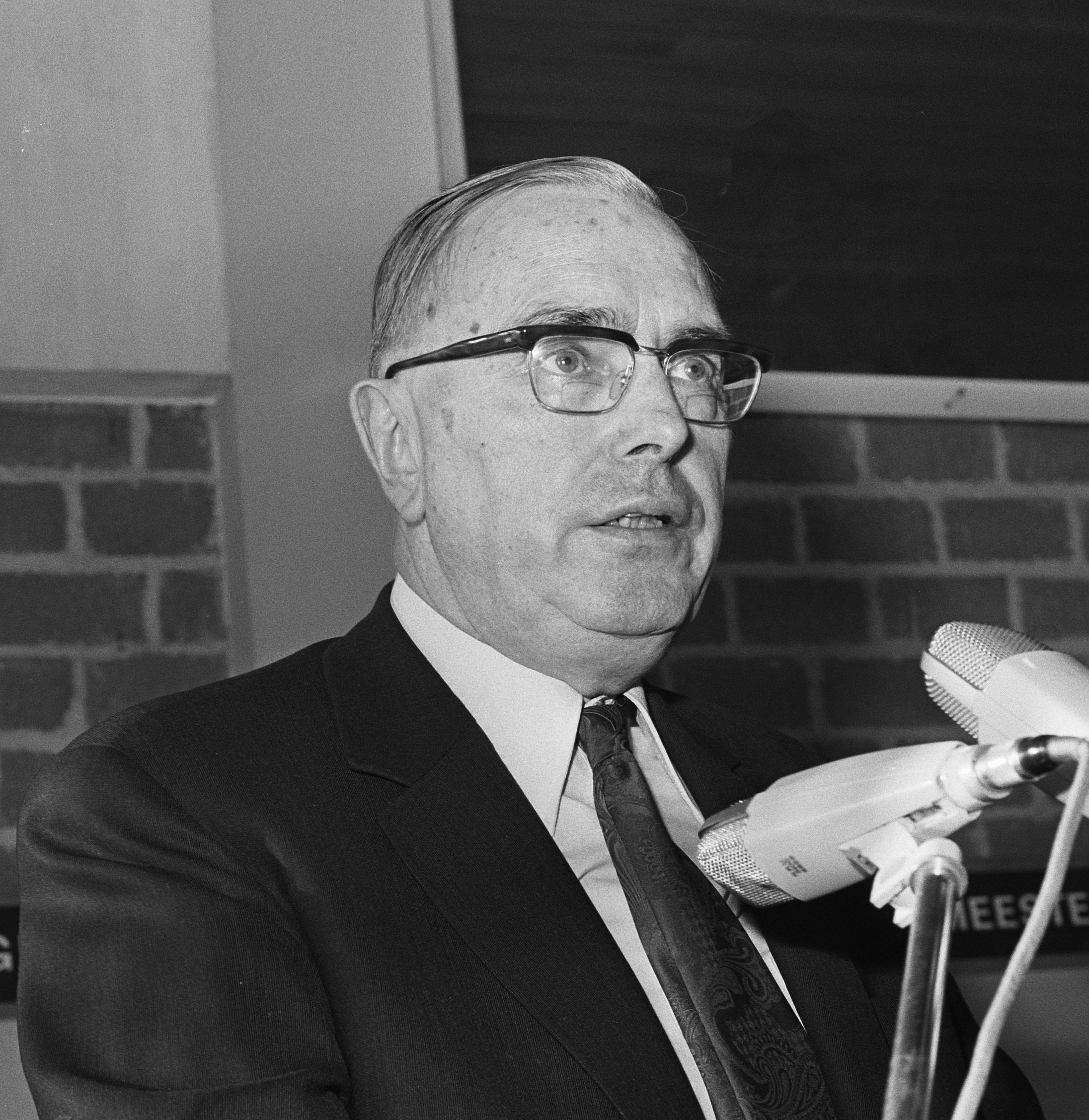
In 1970, Euwe was elected President of FIDE, serving until 1978. During his tenure, he traveled extensively, expanding the federation’s membership and promoting chess globally, especially in developing countries. He helped professionalize aspects of the game and navigated political challenges with diplomacy and fairness. His leadership strengthened FIDE’s role in organizing world championships and Olympiads.
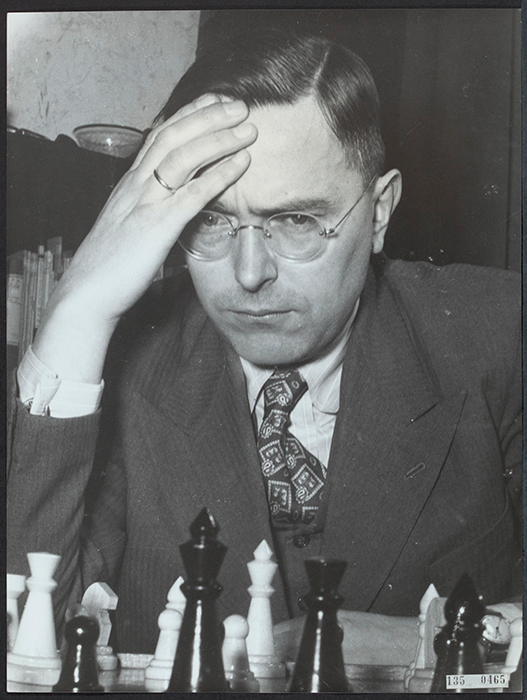
Euwe lived a long, productive life. He died on November 26, 1981, in Amsterdam at age 80 from a heart attack. Tributes poured in from the chess world, recognizing him not only as a champion but as a scholar, educator, author, and administrator who elevated the game.
Max Euwe’s legacy endures in multiple ways. He demonstrated that chess excellence need not require full-time dedication or dramatic genius—disciplined study and logical thinking suffice. His record 12 Dutch titles, vast literary output, and FIDE presidency left lasting structures. Modern players study his games for their clarity and opening insights, while his mathematical approach to chess foreshadowed computer-era analysis. Though some labeled his 1935 victory an “upset” tied to Alekhine’s condition, Euwe’s consistent elite results and fair play affirmed his place among the greats. Reuben Fine once called him one of the most underrated players; history has gradually corrected that view.
From a quiet Amsterdam suburb to the pinnacle of world chess, and then to shaping its global future, Max Euwe embodied the thoughtful amateur who achieved extraordinary things. His life reminds us that chess rewards not just talent, but preparation, balance, and a lifelong commitment to logic and fairness. In the pantheon of champions, the Dutch logician stands as a beacon of intellect and quiet strength.