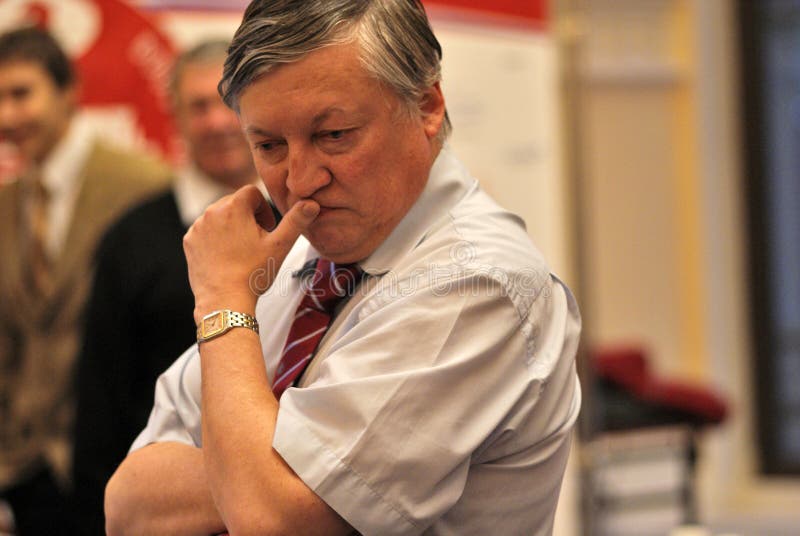
In the industrial town of Zlatoust in the Ural Mountains of Soviet Russia, a quiet, serious boy with an extraordinary memory learned chess at the age of four from his father, a factory engineer. Anatoly Yevgenyevich Karpov, born on May 23, 1951, would become the twelfth official World Chess Champion and one of the most dominant and durable figures in the game’s history. He held the title from 1975 to 1985 under the classical line, then again as FIDE champion from 1993 to 1999, for a combined reign spanning nearly two decades—the longest of any champion in the modern era. Karpov did not dazzle with Tal-like sacrifices or Fischer-style preparation explosions. Instead, he was the ultimate positional player, a master of slow, suffocating pressure that earned him the nickname “the Boa Constrictor.” He squeezed opponents into mistakes, excelled in endgames, and rarely lost. His style emphasized prophylaxis, pawn structure, and relentless accumulation of small advantages. A child prodigy who became a grandmaster at nineteen, Karpov won more than 160 tournaments in his career, held the world number-one ranking for a decade, and navigated the intense Karpov-Kasparov rivalry that defined the 1980s. Beyond chess, he served as a Soviet and later Russian diplomat, politician, and philanthropist. Even today, in his mid-seventies, Karpov remains an active ambassador for the game, proving that quiet precision can conquer the board as powerfully as raw aggression.
Karpov’s rise was swift and methodical. He won the Soviet Junior Championship at age eleven and earned the master title at fifteen. In 1970, at nineteen, he became a grandmaster—the youngest in the world at the time. He dominated the 1973 Leningrad Interzonal and then crushed the 1974 Candidates cycle, defeating Lev Polugaevsky, Boris Spassky, and Viktor Korchnoi in succession. He was scheduled to face Bobby Fischer for the world title in 1975, but Fischer refused to play under FIDE’s conditions and forfeited. On April 24, 1975, at age twenty-three, Karpov was declared the twelfth World Champion by default—the youngest champion since Tal, and the first to win the title without playing a match. The chess world wondered whether the new champion was truly worthy. Karpov answered by winning nearly every major tournament he entered for the next decade.
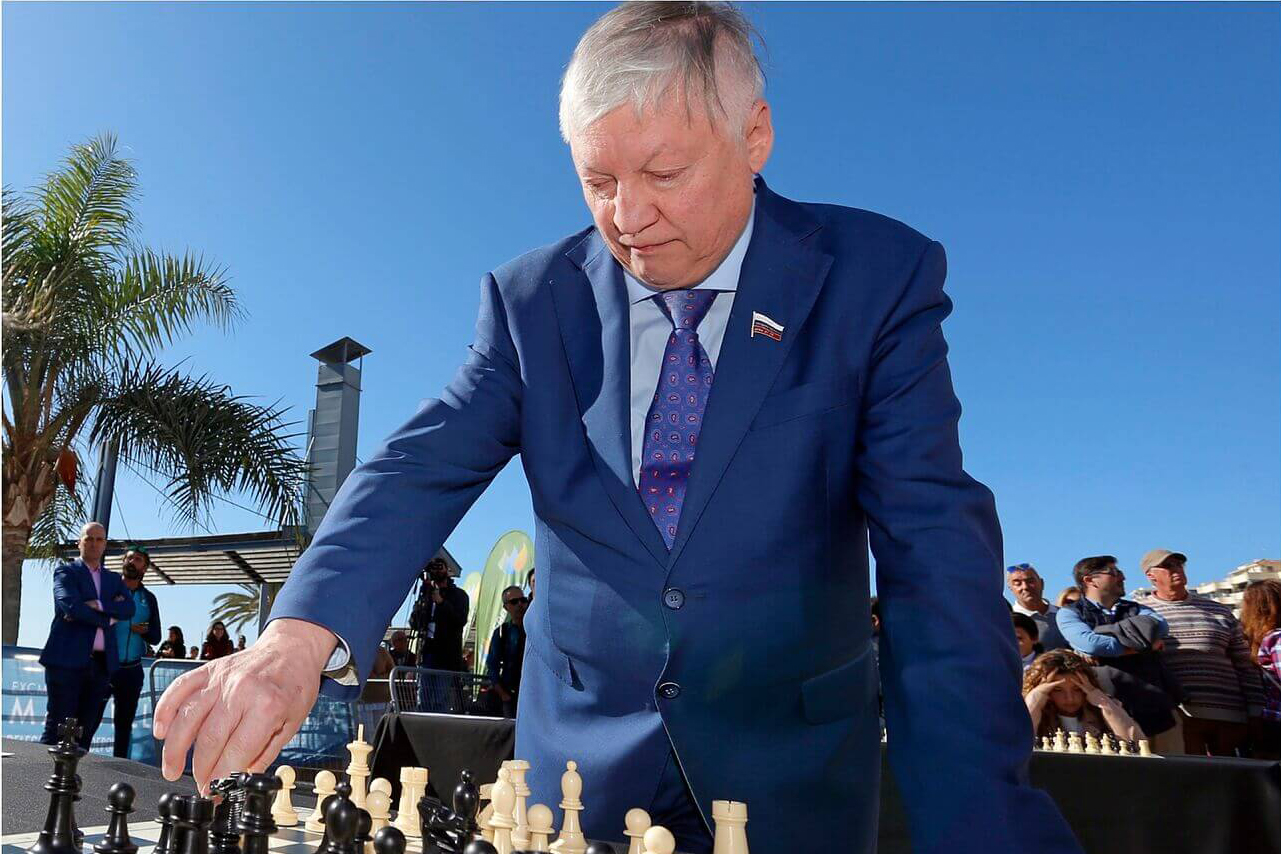
His first major defense came in 1978 against the defector Viktor Korchnoi in Baguio, Philippines. The match was politically charged—Korchnoi, now representing the West, faced his former countryman amid Cold War tensions. Karpov won 6–5 with 21 draws after a grueling 32 games, surviving psychological warfare that included parapsychologists and mirrored sunglasses. In 1981, he defended again against the same challenger in Merano, Italy, winning more decisively 6–2 with 10 draws. These victories solidified his reputation as a champion who thrived under pressure.
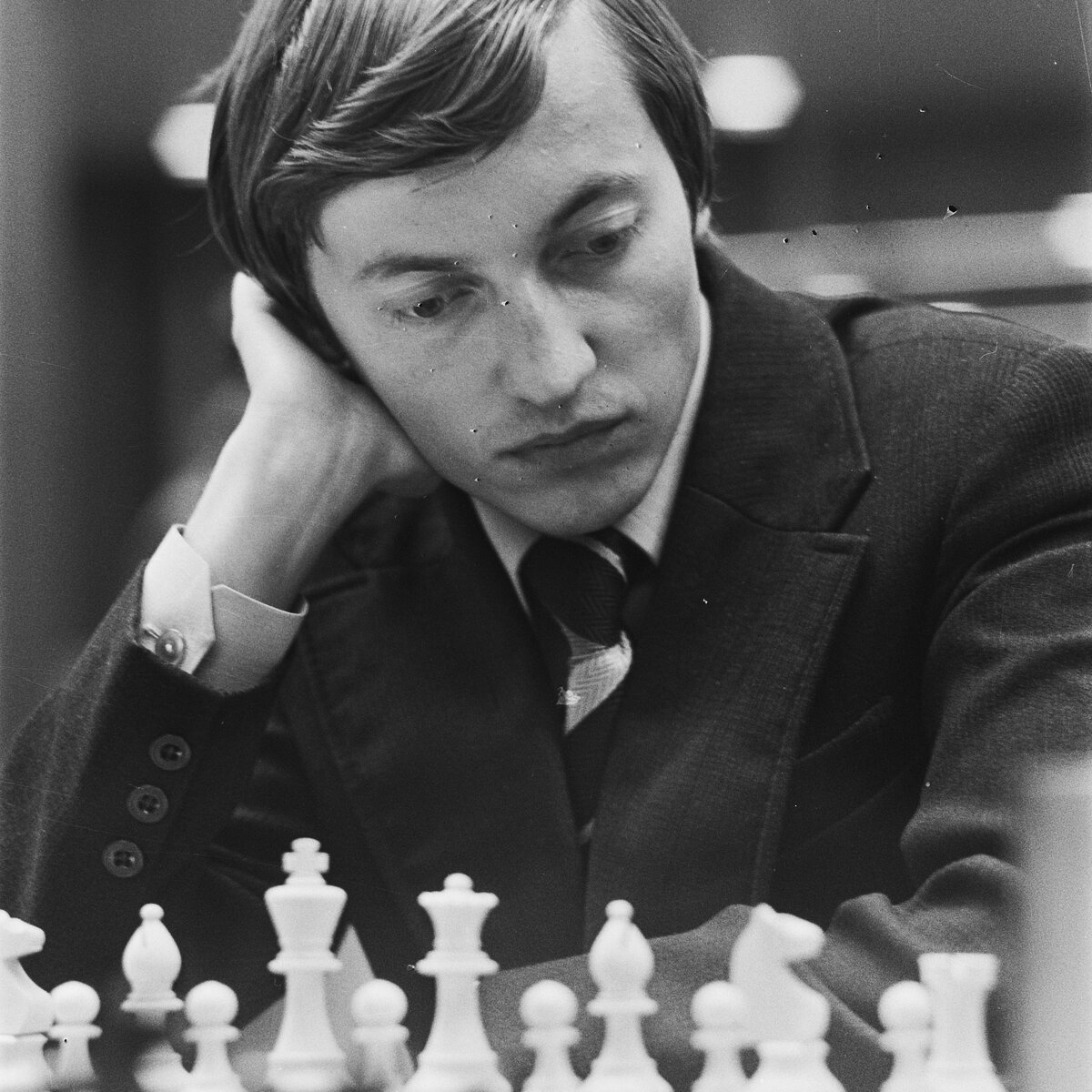
Karpov’s true test arrived with the emergence of Garry Kasparov. The 1984–85 world championship match in Moscow became the longest and most epic in history. Kasparov, the fiery young attacker, faced Karpov’s iron positional grip. After 48 games, Karpov led 5–3 with 40 draws, but exhaustion and health issues forced FIDE to abort the match without a decisive result. A new, shorter match was arranged for 1985. This time Kasparov won 13–11 (+5 -3 =16), dethroning Karpov after ten years as champion. Karpov did not fade. He immediately earned the right to a rematch under the rules of the time. In 1986 (London/Leningrad), 1987 (Seville), and 1990 (New York/Lyon), he challenged Kasparov again in four more titanic matches. Though he lost each time, the scores were razor-close, and the rivalry produced some of the greatest games ever played. The two men pushed each other to new heights, with Karpov’s subtle maneuvering often forcing Kasparov into brilliant but risky attacks.
When Kasparov and Nigel Short broke away from FIDE in 1993 to form the Professional Chess Association, Karpov became the official FIDE World Champion by default once more. He defended the FIDE title successfully against Jan Timman in 1993, Gata Kamsky in 1996, and Viswanathan Anand in 1998 (the latter in a rapid playoff after a tied classical match). In 1999 he lost the FIDE title to Alexander Khalifman in a knockout format he had criticized. By then Karpov had largely stepped back from full-time competition to focus on politics and chess promotion.
Throughout his career, Karpov’s tournament record was staggering. He won the Soviet Championship three times and captured more than 160 first-place finishes worldwide, including elite events like Linares (multiple times), Tilburg, and Hoogovens. He represented the Soviet Union and later Russia in ten Chess Olympiads, winning team gold nine times and individual board gold medals repeatedly. His peak Elo rating reached 2780 in 1989, and he held the number-one ranking from 1976 to 1985 and again in 1994–1996. Even in his later years he remained competitive, winning the 2002 World Senior Championship and playing occasional rapid events.
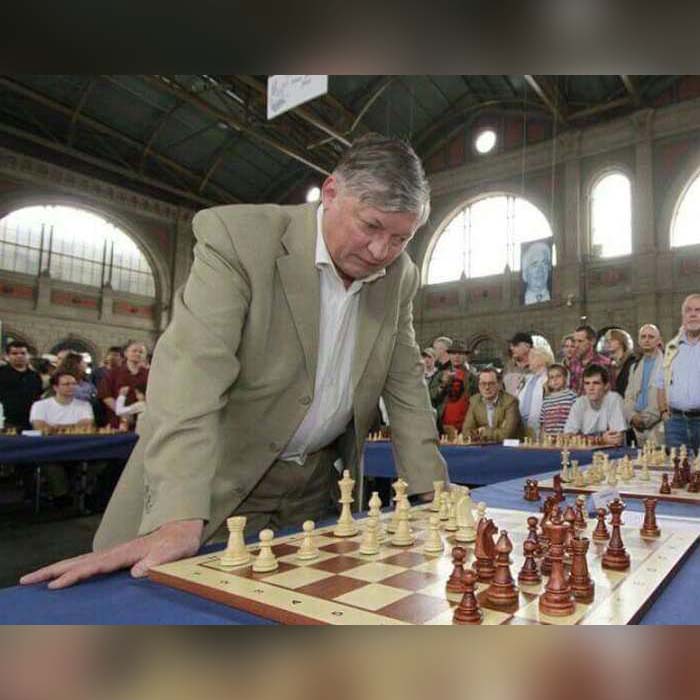
Karpov’s playing style was revolutionary in its own quiet way. He rarely sacrificed material for attack; instead, he built impregnable positions and waited for opponents to crack. His endgame technique was legendary—many of his wins came from seemingly equal rook or minor-piece endings. He revived or popularized variations such as the Caro-Kann Defense and the Petrosian Variation of the Queen’s Indian. Colleagues described him as a “boa constrictor” because once he gained a slight edge, he never let go. Kasparov himself later admitted that facing Karpov required playing at 110 percent every move.
Outside chess, Karpov pursued a public life. He graduated from Leningrad State University with a degree in economics and served as a Soviet diplomat. After the Soviet Union’s collapse, he entered Russian politics, ran unsuccessfully for president in 1996, and became a member of the State Duma. He founded the Anatoly Karpov Chess School and has worked tirelessly for chess education and charity, especially helping children in developing countries. He has authored dozens of books on chess strategy and his own games.
As of 2026, Karpov, now in his mid-seventies, remains active as a chess ambassador, commentator, and occasional player in senior and exhibition events. He lives in Moscow and continues to influence the game through his foundation and writings.
Anatoly Karpov’s legacy is one of endurance and elegance. He proved that positional mastery and iron discipline could dominate an era of tactical geniuses. He won or defended the world title in an astonishing variety of circumstances—by default, by match victory, and through grueling rivalries. His games teach modern players the art of patience and prophylaxis. From the Ural Mountains prodigy who became champion without playing Fischer to the statesman who shaped chess’s global future, Karpov showed that quiet pressure can achieve what fireworks cannot. In the long line of champions, the Boa Constrictor stands as the ultimate master of control and consistency.