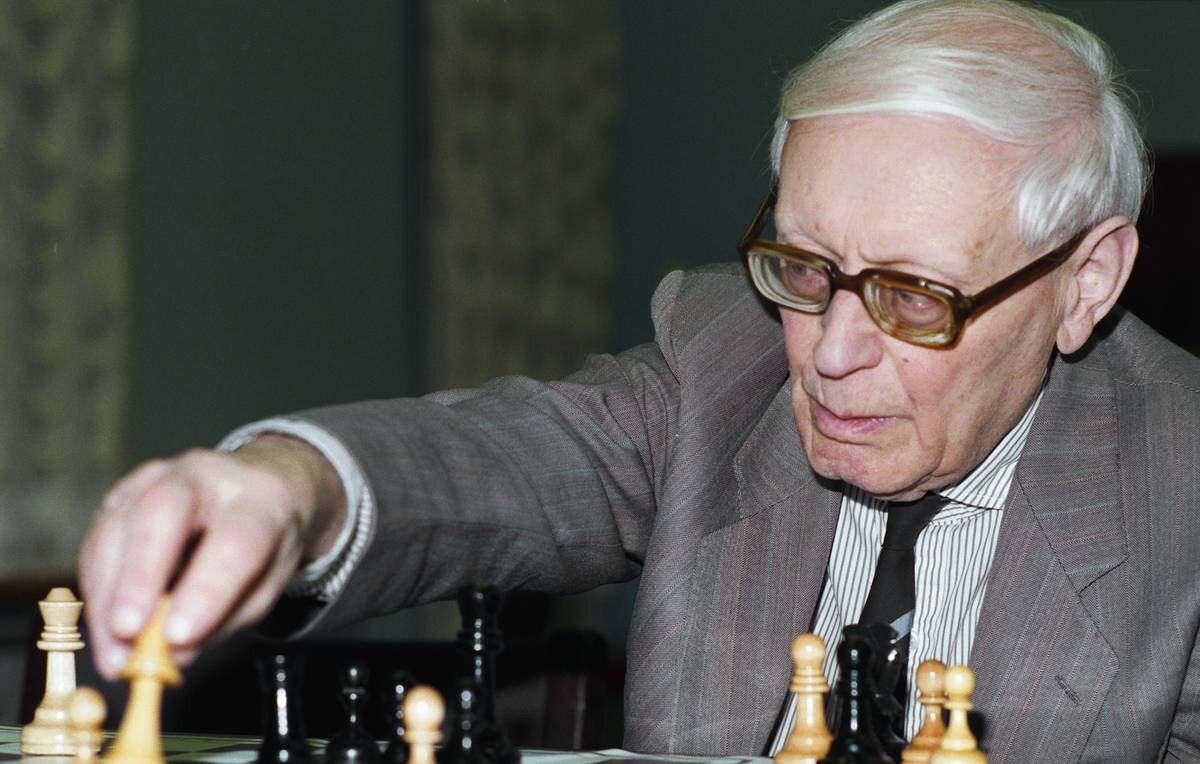
In the crisp northern light of a Finnish-border village near St. Petersburg in 1911, a boy from a Jewish family of dentists took his first steps into a world that would soon be transformed by revolution. Mikhail Moiseyevich Botvinnik, born on August 17, 1911 (August 4 Old Style), in Kuokkala (now Repino), learned chess relatively late—at age twelve in 1923. Within a few years, he had not only mastered the game but begun to treat it like an engineering problem: precise, methodical, and built on deep preparation. Known as the “Patriarch of the Soviet Chess School,” Botvinnik became the sixth World Chess Champion, holding the title across three separate reigns (1948–1957, 1958–1960, and 1961–1963) for a total of nearly fifteen years. He was the first Soviet player to claim the crown and the architect of decades of Soviet dominance. While balancing a full career as an electrical engineer and later pioneering work in computer chess, Botvinnik developed a scientific approach—rigorous analysis, physical and psychological training, and systematic study—that influenced generations, including his pupils Anatoly Karpov, Garry Kasparov, and Vladimir Kramnik. His style was eclectic yet rational: strong in strategy, resilient in defense, and capable of deep calculation under pressure. From the chaos of revolution and war to the height of Cold War chess battles, Botvinnik embodied discipline and intellect, turning chess into a laboratory for human potential.
Botvinnik’s early chess progress was meteoric. By 1925, at fourteen, he defeated World Champion José Raúl Capablanca in a simultaneous exhibition game—a moment that hinted at future greatness. He joined the Petrograd Chess Assembly and qualified for the USSR Championship in 1927. In 1931, still a student, he won the first of his record seven Soviet Championships. He graduated as an electrical engineer from the Leningrad Polytechnic Institute in 1932 and continued working in his profession even as his chess career soared. International recognition came quickly: he shared first at Moscow 1935 with Salo Flohr and won Nottingham 1936 ahead of Capablanca, Euwe, and others. During World War II, evacuated to Perm, he contributed to the war effort in electricity supply while still competing when possible, winning the 1941 Absolute USSR Championship and maintaining form.
The death of Alexander Alekhine in 1946 left the world title vacant. FIDE organized a five-player tournament in 1948, split between The Hague and Moscow, to determine the new champion. Botvinnik dominated with 14/20 (+10 -2 =8), finishing three points ahead of Vasily Smyslov. On May 16, 1948, at age 36, he became the sixth official World Champion—the first from the Soviet Union. This victory marked the beginning of 24 years of Soviet supremacy in world chess. Botvinnik’s methodical preparation stood out; he analyzed openings exhaustively and trained under simulated tournament conditions, including noise and distractions to build mental toughness.
His title defenses showcased both strength and vulnerability. In 1951, he drew 12-12 with David Bronstein (+5 -5 =14), retaining the title under the rules of the time. In 1954, he again drew 12-12 with Smyslov. But in 1957, Smyslov defeated him 12½–9½ in a hard-fought match. True to the era’s rules, Botvinnik earned a rematch the following year and reclaimed the crown in 1958 with a convincing 12½–10½ victory. The pattern repeated in 1960 when the brilliant, attacking Mikhail Tal dethroned him 12½–8½. Botvinnik, ever the fighter, prepared meticulously and regained the title in the 1961 rematch, winning 13–8. These comebacks—twice regaining the championship after losing it—highlighted his resilience and deep understanding of the game. Finally, in 1963, Tigran Petrosian defeated him 12½–9½. When FIDE abolished the automatic rematch right, Botvinnik chose not to pursue another cycle and effectively stepped away from title contention.
Throughout his reign and beyond, Botvinnik maintained an impressive tournament record. He won seven consecutive major events from 1941 to 1948 and continued strong performances into the 1950s and 1960s, even while limiting his play to focus on his engineering career. In 1951, he earned a doctorate in electrical engineering. From 1955 onward, he worked at the All-Union Scientific Research Institute of Electrical Energy. His scientific mindset extended to chess: he viewed the game as a testable discipline, writing influential books such as One Hundred Selected Games (1951) and later works on strategy and training. He emphasized physical fitness, opening preparation, and psychological readiness—legend has it he trained with loud radios and smoke to simulate adverse conditions.
After retiring from competitive chess in 1970 at age 59, Botvinnik channeled his energy into two passions: coaching and computer chess. He founded a famous chess school that nurtured future world champions Karpov, Kasparov, and Kramnik, among many others. His systematic training methods became the foundation of the Soviet chess machine. In parallel, he pioneered computer chess programs, aiming to create an “electronic grandmaster.” Though his programs never fully reached master strength during his lifetime, his work earned him an honorary mathematics degree and laid groundwork for later developments in chess engines. He remained active in chess analysis and writing well into his later years.
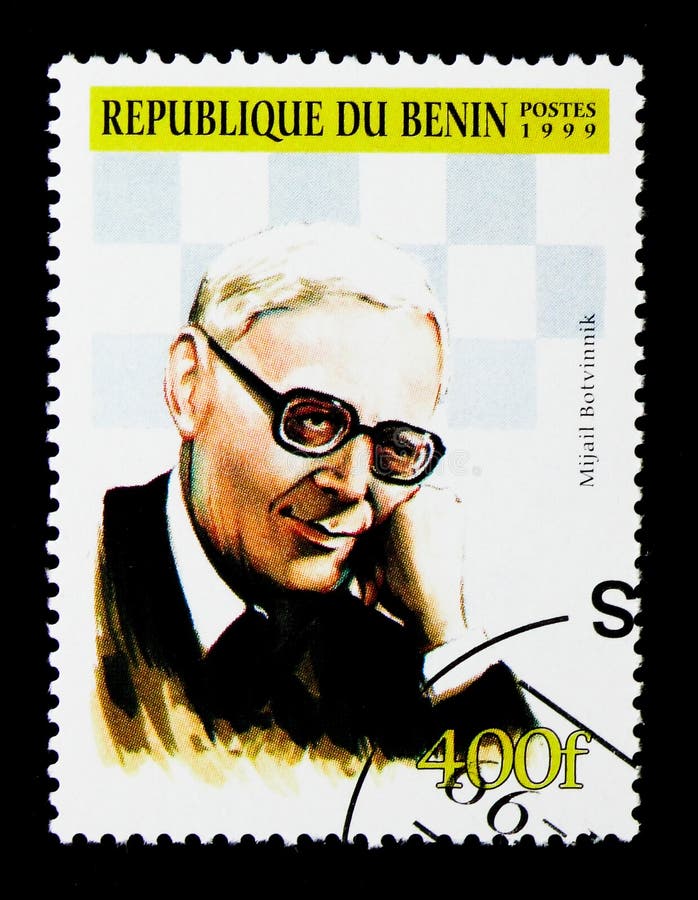
Botvinnik’s personal life reflected the same discipline. He described himself as “a Jew by blood, a Russian by culture, Soviet by upbringing.” He married and raised a family while juggling engineering, chess, and later research. In his final years, despite health challenges including poor vision, he stayed intellectually active until months before his death. On May 5, 1995, at age 83, Mikhail Botvinnik passed away in Moscow from pancreatic cancer. He was buried in Novodevichy Cemetery.
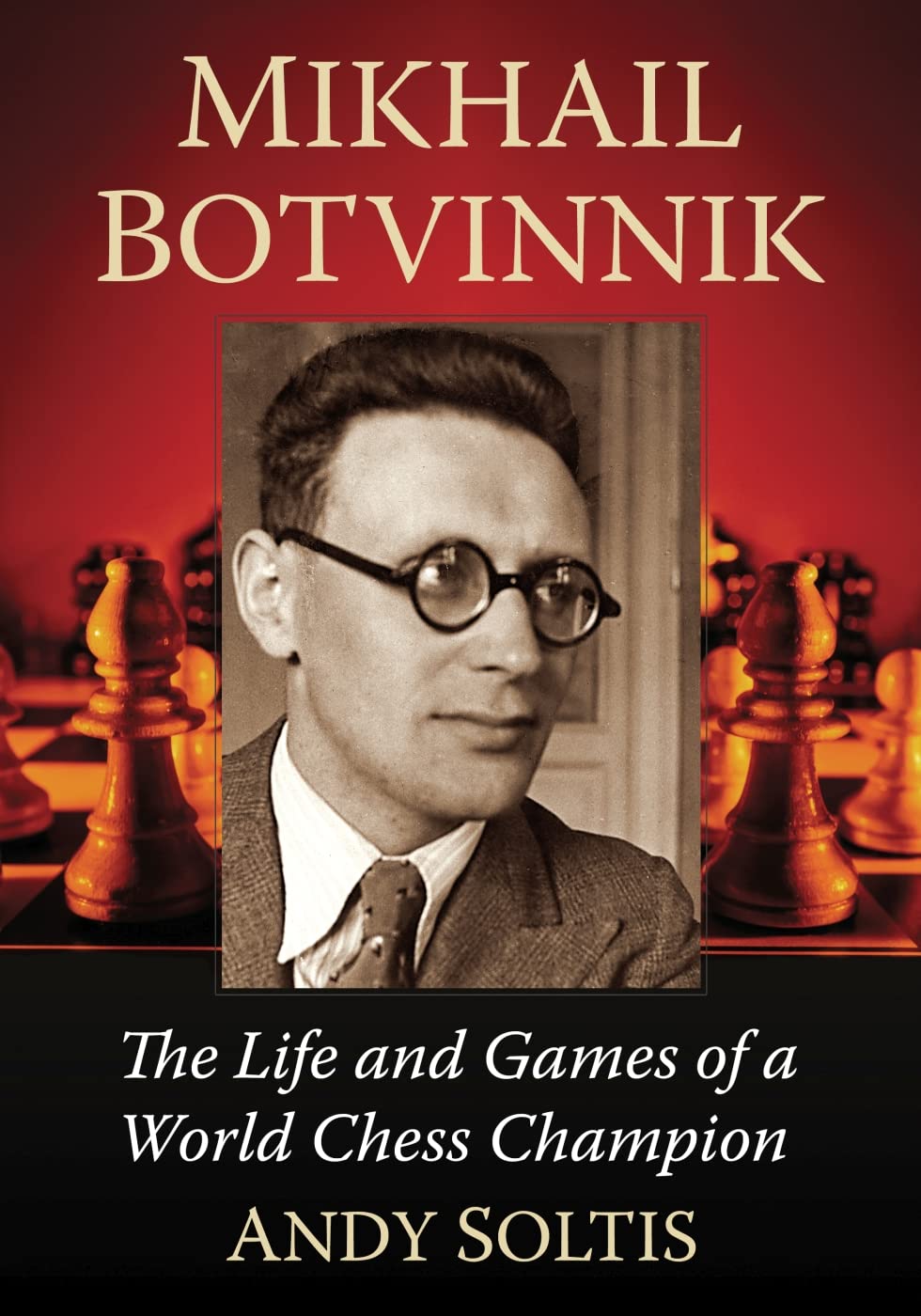
His legacy is colossal. Botvinnik held the world title across three reigns and influenced Soviet (and later Russian) chess dominance for decades. His scientific, rational style—eclectic yet deeply prepared—contrasted with pure intuition and shaped modern training. He proved that chess could coexist with a serious professional career, setting an example of balance and intellect. Garry Kasparov and others credit him as the founder of the Soviet Chess School, whose methods produced a stream of world-class players. Even today, students study his games for their strategic depth and his writings for training insights.
From a boy in a border village who beat Capablanca in a simul to the engineer who built a chess empire, Mikhail Botvinnik transformed the game. He didn’t just win titles—he engineered a system that elevated chess to new heights of preparation and excellence. In the history of the game, the Patriarch stands as a monument to disciplined genius and enduring influence.