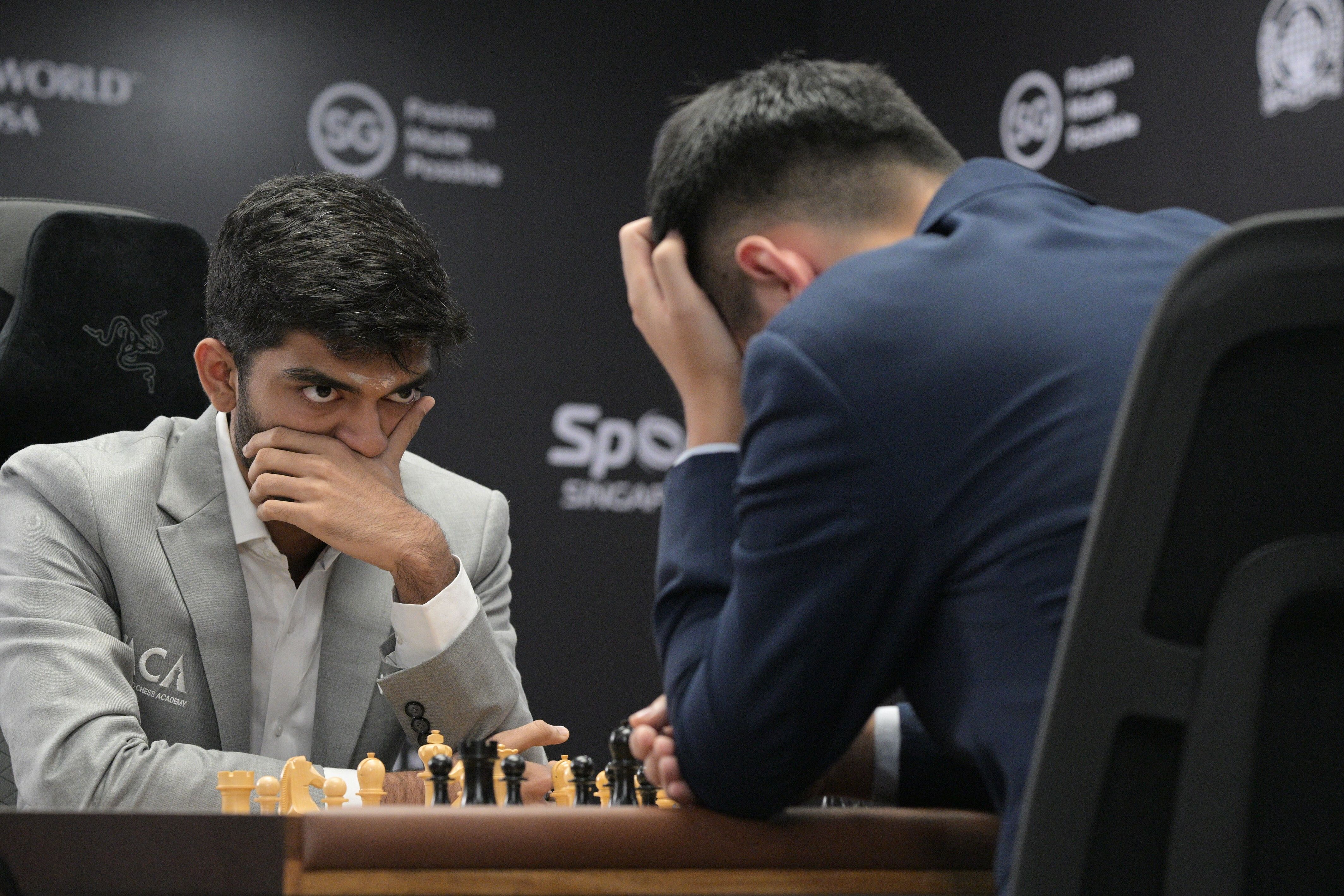
On May 29, 2006, in the chess-loving city of Chennai, India—the same vibrant southern metropolis that produced Viswanathan Anand—a boy named Gukesh Dommaraju was born into a family of dedicated medical professionals. His father, an ear, nose, and throat surgeon, and his mother, a microbiologist, instilled in him the values of discipline, education, and hard work. Chess entered Gukesh’s life at the relatively late age of seven through simple after-school classes at Velammal Vidyalaya. What began as a casual hobby, with lessons just three times a week, soon ignited an extraordinary passion. Unlike many child prodigies who start before they can read, Gukesh’s late beginning only seemed to fuel his rapid ascent, as his natural talent combined with fierce determination turned him into one of the most remarkable stories in modern chess.
From the outset, Gukesh displayed an uncommon focus and intuitive understanding of the board. His school supported his growing commitment by allowing flexible attendance so he could prioritize tournaments while still completing his studies. His parents made significant sacrifices too—his mother took on extra shifts, and his father adjusted to part-time work to accompany him to events. By 2015, at just nine years old, Gukesh won the under-nine category at the Asian School Chess Championships, earning his Candidate Master title. Progress accelerated swiftly. In 2017 he became an International Master, and on January 15, 2019, at the age of 12 years, 7 months, and 17 days, he secured his final Grandmaster norm at the Delhi International Grandmaster Open. This achievement made him the third-youngest grandmaster in history, missing Sergey Karjakin’s record by a mere 17 days. In an astonishing burst of activity, the young talent played 276 games across 30 tournaments in 13 countries within just 16 months, revealing not only raw brilliance but also exceptional stamina and a hunger for constant improvement.
Gukesh continued breaking barriers at a breathtaking pace. He became the youngest player ever to surpass 2700 Elo at age 16 and the youngest to breach the elite 2750 mark in August 2023 at 17. By late 2023, he had overtaken Anand as India’s top-rated player, ending a long era of dominance by the former world champion. His playing style stood out for its dynamic aggression in the middlegame, precise calculation even under severe time pressure, and a calm composure that belied his youth. Observers noted his ability to create complex tactical battles while maintaining deep strategic insight. He often favored reactive yet creative setups that allowed him to counterpunch effectively. Early on, Gukesh openly declared his ambition: he wanted to become the youngest world champion in history. That bold dream, voiced even as a child, would soon propel him toward the summit.
Junior and youth triumphs built an unbreakable foundation. Gukesh claimed the Under-12 title at the World Youth Chess Championships and dominated various Asian and national events. His transition to senior competition proved seamless. He excelled in open tournaments, steadily climbing the rating list through consistent, high-quality performances. In 2024, still only 17, he qualified for the FIDE Candidates Tournament in Toronto—the youngest participant the event had ever seen. Facing a formidable lineup that included established stars like Hikaru Nakamura, Fabiano Caruana, and Ian Nepomniachtchi, Gukesh delivered a masterful performance. Scoring 9 out of 14, he won the tournament outright, becoming its youngest-ever victor at 17 years and 10 months. This triumph earned him the right to challenge reigning champion Ding Liren for the world title and silenced any doubts about his readiness despite his tender age.
The 2024 FIDE World Chess Championship took place in Singapore from November 25 to December 12, a best-of-14 classical games match with a substantial $2.5 million prize fund. Gukesh entered as the higher-rated player, around 2783 compared to Ding’s 2728, yet he faced a battle-hardened opponent who had overcome personal challenges to reach the match. The contest unfolded as a gripping rollercoaster. Ding struck first by winning Game 1 with the black pieces, drawing on his experience. Gukesh responded resolutely in Game 3 to level the score. A marathon sequence of seven intense draws followed, each filled with profound strategic depth and near-misses that kept spectators on edge.
Tension peaked as Gukesh seized the lead with a convincing victory in Game 11, playing with white and concluding the game in just 29 moves. Victory seemed within reach, but Ding refused to surrender. In Game 12, the defending champion produced a near-flawless display, highlighted by a brilliant rook sacrifice that equalized the match at 6-6 and reignited the drama. Game 13 ended in a peaceful draw, setting the stage for a decisive Game 14 with Ding holding the white pieces.
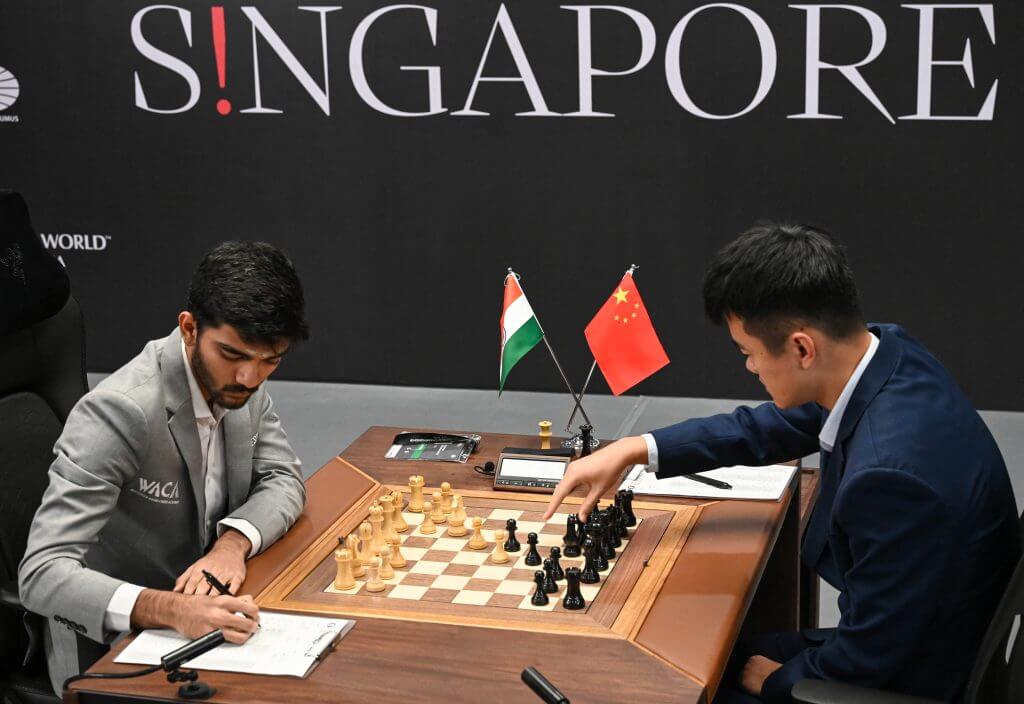
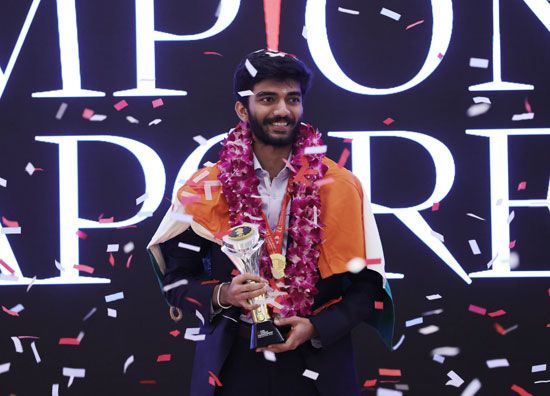
The final game began cautiously, appearing headed for a draw that might force rapid tiebreaks. Then, on move 55 in a rook-and-pawn endgame, Ding committed a critical error by maneuvering his rook to f2. Gukesh, ever alert and composed, seized the moment immediately. With clinical precision, he forced favorable exchanges and created unstoppable pawn promotion threats. Recognizing the inevitable, Ding resigned shortly afterward. The match concluded 7.5–6.5 in Gukesh’s favor. At 18 years and 195 days old, Gukesh Dommaraju became the youngest undisputed classical world champion in history, shattering Garry Kasparov’s previous record (set at age 22 in 1985) by a wide margin. He also became only the second Indian, after Anand, to claim the open world title. The moment sent shockwaves of joy across India and the global chess community, symbolizing a new era of youthful brilliance.
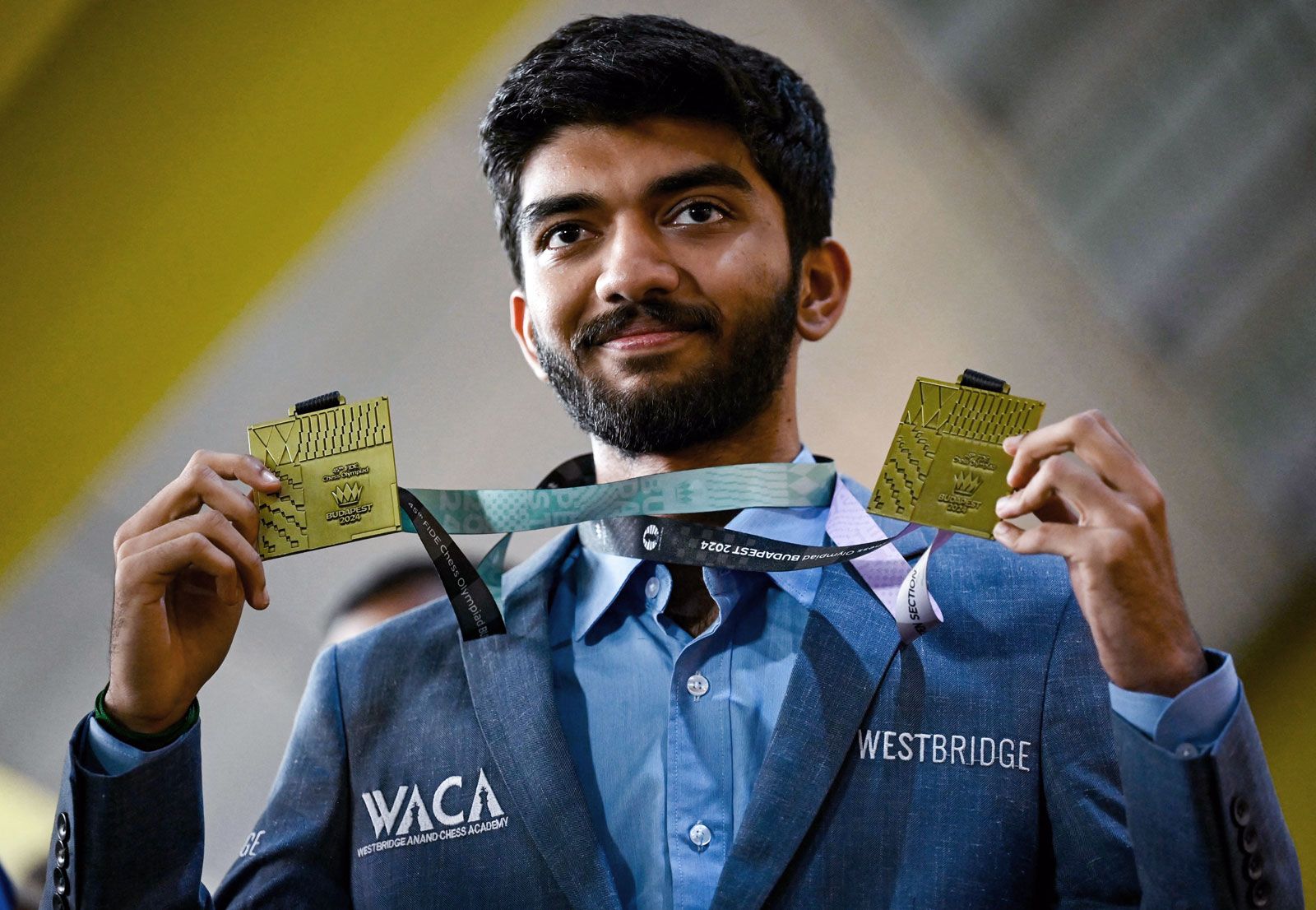
2024 proved an unforgettable banner year. In addition to the Candidates victory and world crown, Gukesh tied for first at the prestigious Tata Steel Chess Tournament and led India to its first-ever Chess Olympiad gold medal in Budapest. Scoring an outstanding 9 out of 10 on board one, he earned individual gold and demonstrated inspiring leadership. In January 2025, India bestowed upon him the Major Dhyan Chand Khel Ratna, the nation’s highest sporting honor, recognizing his monumental contributions to the game.
As the reigning champion from December 2024 onward, Gukesh stepped into a new chapter filled with both opportunity and pressure. He participated in elite events, achieving solid results in some while facing the inevitable challenges of defending the highest title at such a young age. In 2025, he secured second place at the Tata Steel Masters (Wijk aan Zee) and finished third at Norway Chess, where he notably recorded his first classical victory over Magnus Carlsen in a dramatic encounter that included a memorable table-slam moment. However, tougher stretches followed, including an early exit from the FIDE World Cup in the third round and mixed performances in other super-tournaments. By early 2026, at age 19, Gukesh encountered a noticeable dip in form. He finished 10th at the Tata Steel Chess Tournament with 6.5/13 and joint-last at the Prague Masters with 3.5/9. His live rating briefly slipped, and he fell in the world rankings.
In response to these challenges, Gukesh made a mature and strategic decision. In March 2026, he announced he would scale back his schedule, withdrawing from the full 2026 Grand Chess Tour to prioritize training and recovery while still competing in select rapid and blitz events as a wildcard. This move reflected his self-awareness and long-term vision: protecting his energy and sharpening his preparation ahead of the upcoming title defense later in the year. He continued selective participation, including rapid tournaments like the Menorca Masters, and expressed commitment to rediscovering his best form. His peak classical rating reached 2794 in October 2024, with a peak world ranking of No. 3 in March 2025. By April 2026, his rating stood at 2732, ranking him around 15th in the world—still elite, yet a reminder that even prodigies face the grind of consistency at the summit.

Gukesh’s meteoric rise reflects and accelerates India’s chess boom, built on Anand’s foundational legacy and widespread scholastic programs that have made the game accessible to millions. His calm demeanor at the board, rigorous modern training methods, and ability to perform under immense pressure have drawn comparisons to the all-time greats. Off the board, he maintains a healthy perspective, balancing chess with education and personal growth. As the 18th undisputed world champion, Gukesh represents the dawn of a new generation—younger, more globally connected, and driven by prodigious talent refined through dedication rather than early burnout.
From a seven-year-old discovering chess in a Chennai classroom to becoming world champion at 18, Gukesh’s journey illustrates that extraordinary achievement arises when passion meets opportunity and unrelenting focus. Age has proven no barrier when talent aligns with preparation and resilience. Even amid the inevitable post-title challenges and form fluctuations of 2025–2026, his story continues to inspire millions worldwide. As he prepares for his title defense and refines his game through focused training, Gukesh Dommaraju stands poised to write further brilliant chapters. He has not merely broken records; he has redefined what is possible in chess, opening exciting horizons for Indian and Asian dominance in the world’s most intellectual sport. The young champion’s best years may still lie ahead, promising continued excitement for fans of the royal game.